


loc
Visit us in our warehouse in Oakville, ON, or call us today to find out how MB Food Equipment can help serve your needs.
Feel free to browse our used food equipment inventory.
Our Products
In our showroom you will find only quality products from famous brands.
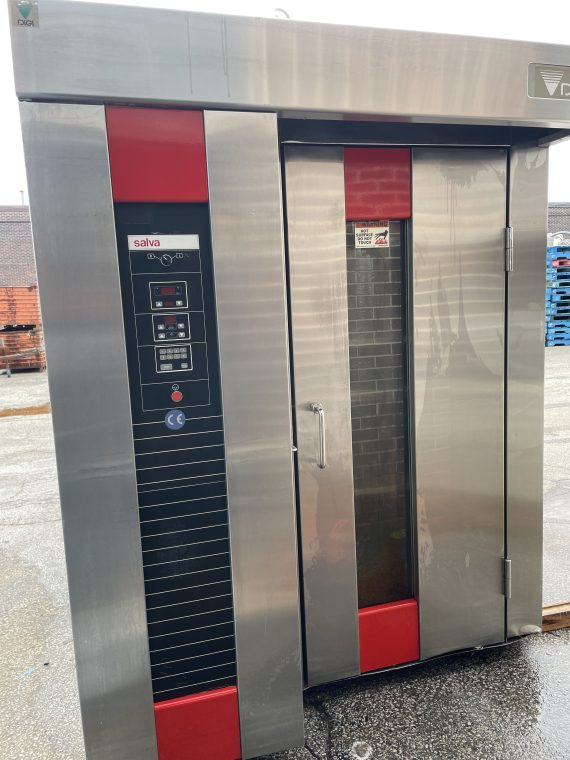
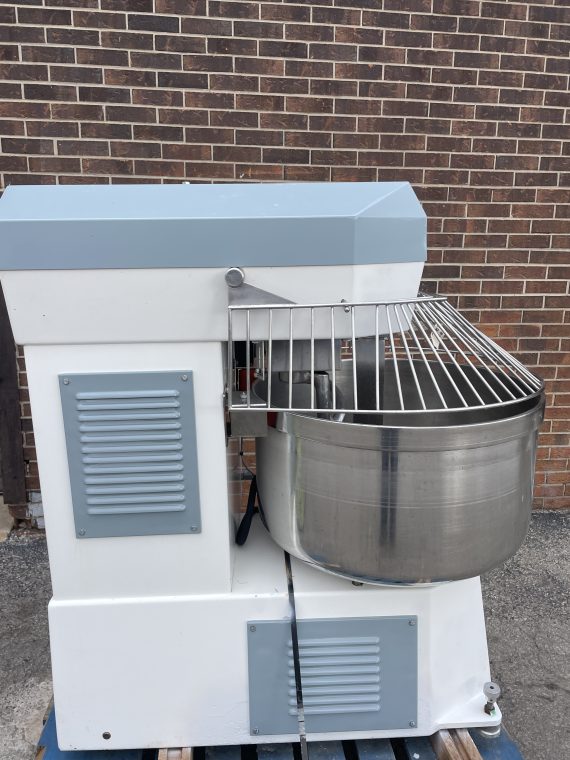
Newest Added Items
Check some of the newest products in our inventory
Contact Us
If you have any questions about our inventory or product details please give us a call or fill out the contact form and one of our sale managers will contact you.
Phone: (289) 993-5999
Phone: (289) 938-9348
Monday: 9 am – 5 pm
Tuesday: 9 am – 5 pm
Wednesday: 9 am – 5 pm
Thursday: 9 am – 5 pm
Friday: 9 am – 5 pm
Saturday: 9 am – 5 pm
Sunday: closed, by appointment only
After hours – by appointment
Contact form
Commercial Freezers And Refrigerators Bradford West Gwillimbury
Commercial freezers and refrigerators in Bradford West Gwillimbury are critical infrastructure for food service operations, from established restaurants to startup bakeries and grocery stores. MB Food Equipment serves Bradford West Gwillimbury and the Greater Toronto Area with used commercial refrigeration equipment that meets the specifications and reliability standards that busy food operations demand, without the capital burden of purchasing new units.
Compressor Type Determines Efficiency and Noise Level
The compressor is the engine of any refrigeration unit, and its type directly affects operational cost and kitchen environment. Bradford West Gwillimbury food businesses typically encounter two main compressor technologies: reciprocating and rotary scroll compressors. Reciprocating compressors are piston-driven and generate more noise and vibration, but they are durable and cost-effective for intermittent or moderate-duty cycles. Rotary scroll compressors operate more quietly and maintain more consistent cooling, making them ideal for high-volume operations where noise control and temperature stability matter.
When evaluating used equipment, understanding compressor type helps predict maintenance frequency and longevity. A well-maintained scroll compressor in a used unit will often outlast a new reciprocating model under heavy load. MB Food Equipment can explain the compressor specifications on each unit in their inventory, so you select equipment matched to your operation's actual demands rather than theoretical maximums.
Capacity Planning Prevents Undersizing and Waste
Undersizing refrigeration capacity is a common error that costs money every single day. Bradford West Gwillimbury bakeries, butcher shops, and restaurants frequently miscalculate the cubic footage they need, resulting in equipment that runs continuously at full load, driving up electricity costs and shortening lifespan. Most commercial kitchens need to replace 40 to 60 percent of their refrigerated inventory every 24 to 48 hours, which means you must account for both static inventory and incoming product receiving cycles.
The correct approach is to measure usable interior volume in cubic feet, then add 20 to 30 percent capacity buffer for peak receiving periods and seasonal fluctuations. A sandwich shop in Bradford West Gwillimbury may need 45 cubic feet of reach-in refrigeration plus 30 cubic feet of dedicated prep table space, while a small grocery operation requires walk-in capacity sized to both stock depth and daily turnover. MB Food Equipment works with new and expanding businesses to right-size selections from their inventory of used reach-in units, undercounter models, and walk-in systems.
Temperature Zones and Shelf Configuration Affect Product Safety
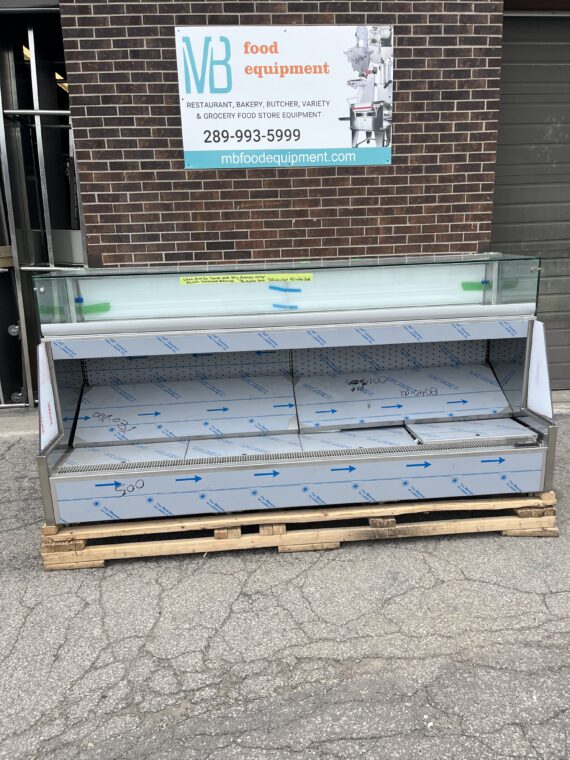
Commercial refrigeration equipment operates in distinct temperature zones, and using the wrong zone for a product type creates food safety and spoilage risk. Standard refrigerator compartments maintain 35 to 38 degrees Fahrenheit, suitable for dairy, prepared foods, and vegetables. Freezer sections hold 0 degrees Fahrenheit or below, necessary for meat, ice cream, gelato, and long-term storage. Some specialized equipment, such as deli cases or seafood displays, operates at 32 to 34 degrees to extend freshness without freezing.
Misplaced product in the wrong temperature zone can spoil within hours or create pathogenic growth, turning a minor storage mistake into a costly waste and potential health violation.
Shelf configuration matters equally. Adjustable shelving lets you adapt to product size; fixed or limited-adjustment shelves waste space and limit flexibility as your menu changes. Ice cream and gelato operators in the area need low-temperature display cases with proper air circulation to prevent frost buildup, while butchers require butcher block or slotted shelving that promotes drainage and cleaning. MB Food Equipment stocks units with various interior layouts, and their team can explain how each configuration supports specific food categories.
Energy Consumption Directly Impacts Operating Margins
A commercial refrigerator or freezer runs 24 hours a day, 365 days a year, making energy efficiency a major expense line item. Older used equipment often consumes 15 to 25 percent more electricity than newer models, but this does not mean buying new is always correct. A well-maintained used unit with tight door seals, clean condenser coils, and a functioning compressor can operate at competitive efficiency; a poorly maintained new unit will waste energy immediately.
The key variable is insulation quality and door seal integrity. Units with 3.5 to 4.5 inches of polyurethane foam insulation, combined with magnetic gaskets in good condition, hold temperature with minimal compressor cycling. Bradford West Gwillimbury operations on tight budgets benefit from MB Food Equipment's hands-on inventory inspection, which includes verification of seal condition, coil cleanliness, and thermostat accuracy. A unit that costs 40 percent less upfront but operates at 95 percent efficiency is a better investment than new equipment that requires years to offset its purchase price through electricity savings.
Maintenance Access and Service Support Prevent Extended Downtime
When a freezer fails in Bradford West Gwillimbury, you lose product, revenue, and customer trust within hours. The difference between a quick repair and days of downtime often depends on equipment design and service availability. Modern commercial refrigeration uses standardized compressors, motors, and electrical components that multiple technicians can service, while older or custom units may require manufacturer-specific expertise.
Before purchasing any used equipment, confirm that compressor, condenser fan motor, and thermostat parts are commercially available and that local refrigeration technicians carry inventory or can source replacements within 24 to 48 hours. MB Food Equipment prioritizes inventory sourced from established manufacturers whose parts ecosystems are robust and prices are reasonable. When you buy from them, you get equipment with documented history and verified component compatibility, reducing the risk that a breakdown leaves your operation without cooling when you need it most. Starting a new food business or upgrading an existing operation is stressful enough without worrying whether your refrigeration will be repairable.
Frequently Asked Questions
What size commercial freezer do I need for a small restaurant in Bradford West Gwillimbury?
A small restaurant with 40 to 60 covers per service typically needs 12 to 20 cubic feet of freezer capacity for proteins and prepared components. This usually means one reach-in freezer or one small undercounter unit, depending on menu complexity and receiving frequency. MB Food Equipment can assess your specific menu and volume to recommend the right configuration from used inventory.
How often should commercial refrigeration equipment be serviced?
Commercial refrigerators and freezers should be professionally inspected and maintained twice per year: once before high-volume seasons and once during slower periods. Condenser coils require monthly cleaning in food service environments, and door seals should be checked for cracks or separation every quarter. Regular maintenance prevents compressor failure and keeps energy costs predictable.
Is buying used commercial refrigeration equipment reliable for food safety?
Used equipment is reliable when it has been properly maintained and inspected before sale. MB Food Equipment verifies temperature holding, door seal integrity, and compressor function on every unit before offering it for sale. Used equipment from established manufacturers often has superior construction compared to low-cost new imports, making it a practical choice for food safety-conscious operations.
What is the difference between a reach-in refrigerator and an undercounter model?
A reach-in refrigerator is a vertical unit with full-height doors, typically 27 to 30 inches wide, used for bulk storage and accessible from the front. An undercounter model slides beneath a work surface, holding 6 to 8 cubic feet, and is designed for immediate-access ingredients during food preparation. Reach-in units serve storage needs; undercounter units serve prep efficiency.
Are there commercial freezers and refrigerators available near Bradford West Gwillimbury?
Yes, MB Food Equipment stocks used commercial freezers and refrigerators at their showroom and delivers throughout the Greater Toronto Area, including Bradford West Gwillimbury. Their inventory includes reach-in, undercounter, and walk-in systems from leading manufacturers, and they can advise on the right equipment for your food service operation.
How much does electricity cost to run a commercial freezer monthly?
A 10 cubic foot commercial freezer in good condition typically costs 40 to 80 dollars per month in electricity, depending on ambient temperature, usage patterns, and local utility rates. Larger walk-in units may cost 150 to 300 dollars monthly. Older or poorly maintained equipment can cost 20 to 40 percent more. Calculating this ongoing cost should always factor into your purchasing decision alongside the initial price.