


loc
Visit us in our warehouse in Oakville, ON, or call us today to find out how MB Food Equipment can help serve your needs.
Feel free to browse our used food equipment inventory.
Our Products
In our showroom you will find only quality products from famous brands.
Newest Added Items
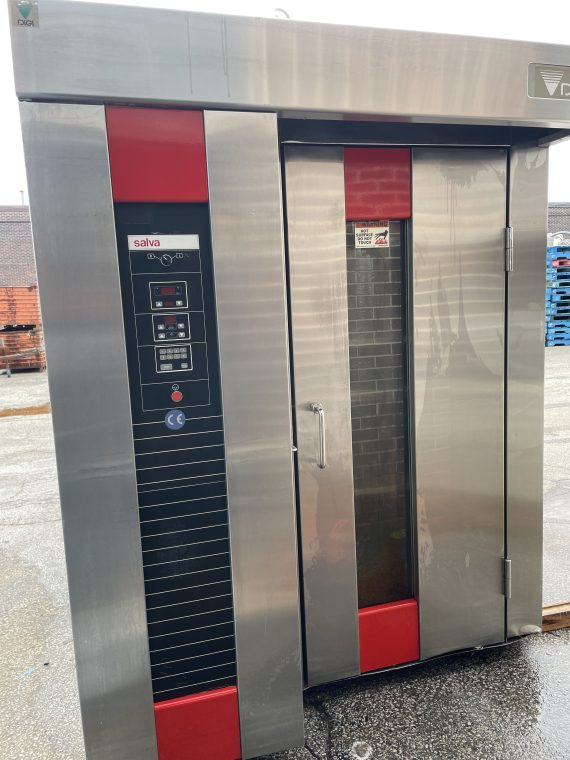
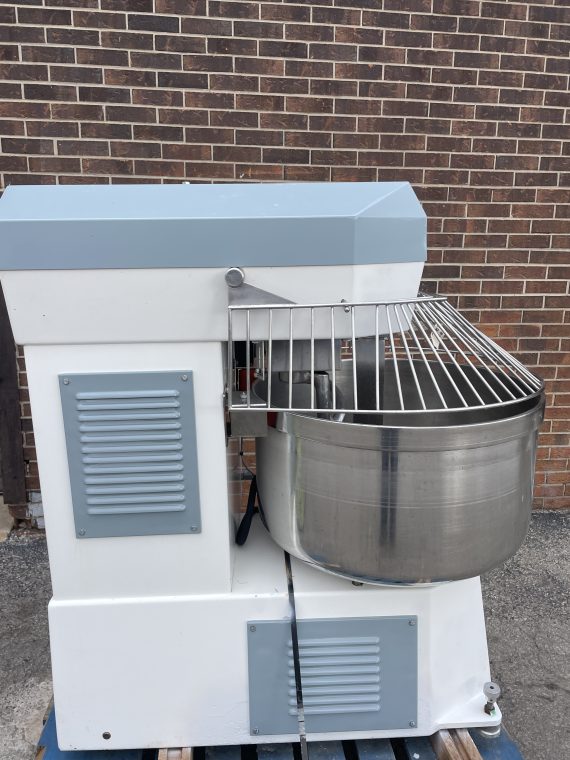
Check some of the newest products in our inventory
Contact Us
If you have any questions about our inventory or product details please give us a call or fill out the contact form and one of our sale managers will contact you.
Phone: (289) 993-5999
Phone: (289) 938-9348
Monday: 9 am – 5 pm
Tuesday: 9 am – 5 pm
Wednesday: 9 am – 5 pm
Thursday: 9 am – 5 pm
Friday: 9 am – 5 pm
Saturday: 9 am – 5 pm
Sunday: closed, by appointment only
After hours – by appointment
Contact form
Commercial Freezers And Refrigerators Clarence Rockland
Selecting commercial freezers and refrigerators in Clarence-Rockland requires matching equipment capacity and type to your operation's actual needs, then sourcing reliable units that fit your budget. Whether you operate a restaurant, bakery, butcher shop, or grocery store in Clarence-Rockland, the process involves assessing your storage requirements, understanding the trade-offs between new and used equipment, and connecting with a supplier who stocks quality units ready for delivery and installation.
MB Food Equipment specializes in sourcing used commercial refrigeration equipment across the Greater Toronto Area and beyond, including Clarence-Rockland. Their inventory comes from established manufacturers and includes reach-in refrigerators, walk-in coolers, undercounter units, and specialized storage for specific food types. This guide walks you through the decision-making process so you can acquire the right equipment without overcommitting capital.
Step 1: Calculate Your Storage Capacity Requirements
Begin by determining how much refrigerated and frozen storage space your operation genuinely needs. Measure your current space constraints and document how much inventory you typically hold at peak times. For restaurants and cafes, account for daily prep ingredients, proteins, and prepared components. For bakeries and butcher shops in Clarence-Rockland, factor in the volume of dough, finished products, and raw materials that must stay cold during your operating cycle.
A common benchmark: restaurants require 1 to 1.5 cubic feet of refrigeration per seat, though this varies widely by menu type and turnover. Use this as a starting point, then adjust based on your supplier delivery schedule and how far ahead you typically prep. Document these numbers in cubic feet so you can match them directly to equipment specifications when you begin shopping.
Step 2: Distinguish Between Reach-In, Undercounter, and Walk-In Configurations
Reach-in refrigerators and freezers offer vertical storage in a compact footprint, suitable for high-traffic kitchen areas where staff need quick access to frequently used items. Undercounter units fit beneath work surfaces and are ideal for prep stations or service lines. Walk-in coolers and freezers provide bulk storage and are necessary when your calculated capacity exceeds what reach-in models can provide, or when you need to segregate products by type.
The trade-off is clear: reach-in and undercounter units cost less and use less energy, but require disciplined organization and limit total capacity. Walk-in units demand more floor space and electricity but allow organized segregation of proteins, produce, dairy, and prepared foods. For businesses in Clarence-Rockland with expanding operations, walk-ins often become necessary within two to three years of growth. MB Food Equipment carries all three types in used condition, allowing you to start smaller and upgrade as your business grows.
Step 3: Evaluate New Versus Used Equipment Trade-Offs
New commercial refrigeration equipment costs between 40 and 60 percent more than equivalent used units sourced from reputable suppliers. A new reach-in refrigerator might cost 6,000 to 9,000 dollars, while a used unit in good working condition typically runs 2,500 to 4,500 dollars. Used walk-in coolers show even sharper savings, with price differences of 8,000 dollars or more.
The trade-off involves warranty coverage and reliability risk. New equipment arrives with manufacturer warranties covering parts and labor for one to three years. Used equipment carries the risk that repairs may be needed sooner, though equipment from leading manufacturers built within the last five to ten years performs reliably when inspected before sale. MB Food Equipment sources used units from established businesses and manufacturers, meaning the equipment has proven durability. They also offer purchasing of your existing used equipment at fair market value, helping offset the cost of upgrading.
Step 4: Check Specifications Against Your Space and Power Infrastructure
Before committing to any unit, confirm that your kitchen's electrical service can support it. Most commercial refrigerators require 208 or 230-volt three-phase power; some smaller units run on single-phase 115 or 208 volts. Contact your electrician or facilities manager to verify your available service and whether any upgrade is needed. An undersized electrical service will require costly upgrades that can exceed 2,000 to 5,000 dollars.
Measure doorways, hallways, and the intended installation space precisely. Walk-in coolers require 36 to 42 inches of clearance for door swing and staff movement. Document the depth, width, and height of your available space and cross-reference these against equipment dimensions. Businesses in Clarence-Rockland with older buildings or tight kitchens often find that used undercounter or compact reach-in units fit where larger new equipment cannot, making the used market an essential option for renovation projects.
Step 5: Source Equipment from a Supplier with Local Delivery and Support
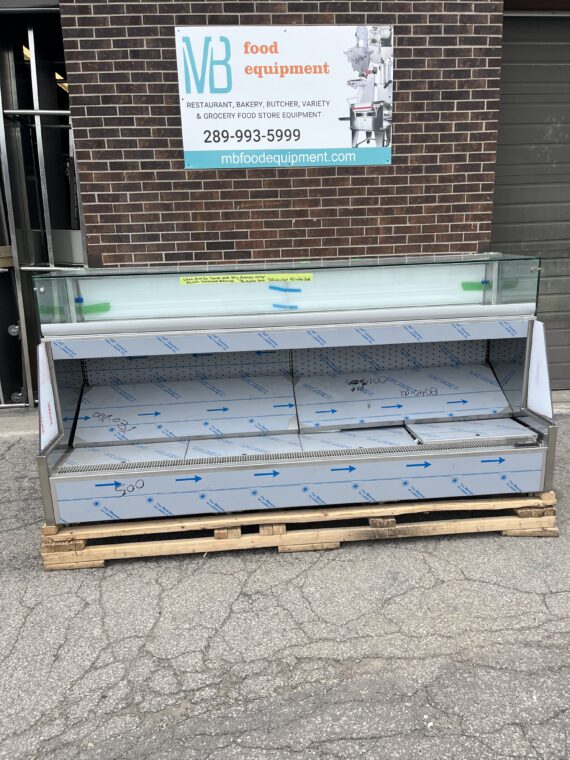
Once you know your specifications, contact suppliers who stock inventory in your region and offer same-week or next-week delivery. MB Food Equipment maintains showroom inventory of used commercial refrigeration equipment and provides fast delivery across the Greater Toronto Area and Clarence-Rockland. You can view units before purchase, inspect their condition, and confirm they match your requirements.
Ask suppliers for details on unit age, hours of operation if available, service history, and whether the unit has been cleaned and inspected. Reputable suppliers will disclose any cosmetic wear and any repairs or maintenance performed. Confirm whether delivery includes installation and whether the supplier removes and disposes of your old equipment. Some suppliers offer these services; others do not. This affects your total project cost and timeline.
Step 6: Verify Energy Efficiency and Operating Cost Implications
Refrigeration equipment typically runs 16 to 18 hours per day and is one of the largest electricity consumers in a food service operation. Used equipment manufactured within the last seven to ten years meets or exceeds current efficiency standards. Older units consume 30 to 40 percent more energy, which translates to higher monthly utility bills and faster payback periods for upgrade investments.
Request the model number and look up the equipment's energy rating if available. A high-efficiency reach-in refrigerator costs roughly 80 to 120 dollars per month to operate, while an older, less efficient unit might cost 120 to 180 dollars per month. Over a five-year span, the difference in operating cost often justifies purchasing a slightly newer used unit over an older one, even if the upfront purchase price is marginally higher.
Step 7: Plan Your Installation and Transition
Coordinate the delivery and installation date with your operation's schedule. Ideally, your new equipment should arrive when you can take a brief downtime or have reduced inventory in your current refrigeration system. If you are upgrading existing equipment, plan to transfer products to temporary storage, clear your old unit by the scheduled pickup time, and have your electrical and plumbing connections ready for the new unit.
MB Food Equipment can advise on installation timelines and coordinate delivery around your business hours. Many food businesses in Clarence-Rockland schedule equipment changes during slower service days or off-season periods to minimize disruption. Having a clear plan ensures your operation maintains proper food storage throughout the transition and that new equipment is running at full capacity as soon as it arrives.
Selecting the right commercial refrigeration equipment comes down to matching your genuine storage needs to equipment that fits your space, power infrastructure, and budget. Used equipment from a reliable supplier eliminates the high capital cost of new units while delivering proven functionality. MB Food Equipment stocks a range of used commercial refrigeration units and can guide you through the selection process. Contact them to discuss your storage requirements and explore what is currently available in their inventory.
Frequently Asked Questions
What is the average cost of used commercial refrigeration equipment in Clarence-Rockland?
Used reach-in refrigerators typically range from 2,500 to 4,500 dollars, while walk-in coolers range from 5,000 to 15,000 dollars depending on size and age. Undercounter units cost 1,500 to 3,500 dollars. Prices vary based on equipment condition, age, and manufacturer. MB Food Equipment can provide current pricing for specific units in their Clarence-Rockland service area.
How do I know if a used freezer or refrigerator is reliable before purchasing?
Reliable equipment comes from reputable suppliers who source units from established businesses and manufacturers and inspect them before sale. Ask the supplier about the unit's age, service history, and any repairs performed. Equipment manufactured within the last five to ten years from leading brands typically performs well. MB Food Equipment discloses full details on unit condition and inspection results.
Can I install commercial refrigeration equipment myself, or do I need a professional?
Commercial refrigeration installation requires licensed electricians and HVAC technicians to handle electrical connections, refrigerant lines, and ensuring proper operation. Most suppliers, including MB Food Equipment, offer professional installation as part of their delivery service. DIY installation risks equipment damage, electrical hazards, and voided warranties.
How much does it cost to install a walk-in cooler in Clarence-Rockland?
Installation costs depend on your electrical infrastructure, whether flooring or structural modifications are needed, and local labor rates. A basic walk-in installation typically runs 1,500 to 3,500 dollars for electrical and HVAC connections. More complex installations with flooring work can exceed 5,000 dollars. Consult with your supplier and electrician for a site-specific estimate.
What is the difference in operating cost between new and used commercial refrigeration equipment?
Used equipment manufactured within the last seven to ten years operates at similar efficiency to new units. Older used equipment consumes 30 to 40 percent more energy, costing 40 to 60 dollars more per month. Over five years, the cumulative energy cost difference often justifies purchasing a newer used unit, even at a slightly higher upfront price.