


loc
Visit us in our warehouse in Oakville, ON, or call us today to find out how MB Food Equipment can help serve your needs.
Feel free to browse our used food equipment inventory.
Our Products
In our showroom you will find only quality products from famous brands.
Newest Added Items
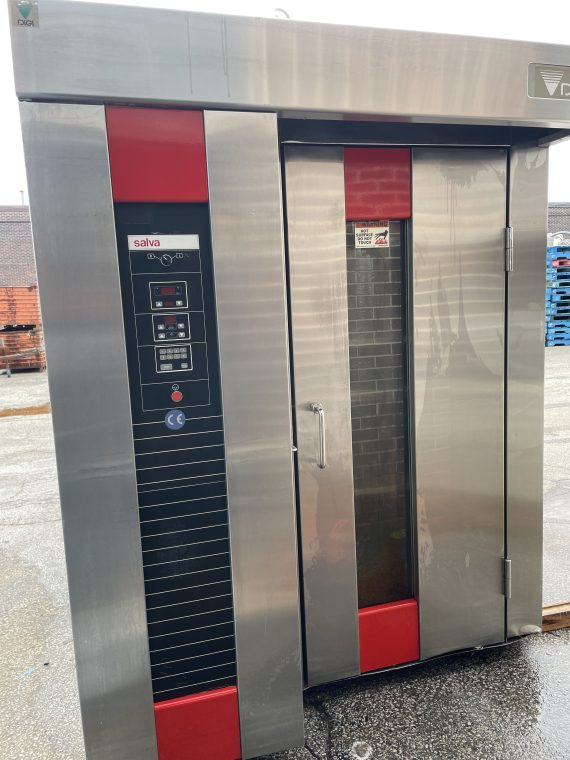
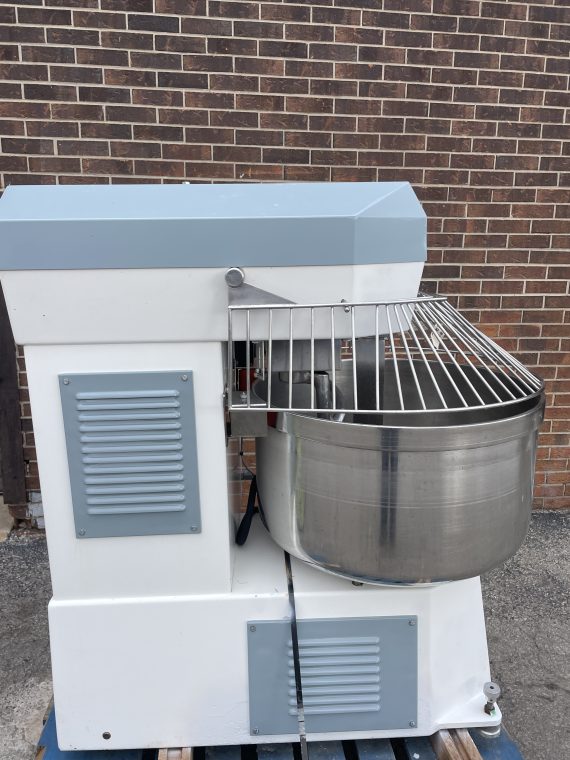
Check some of the newest products in our inventory
Contact Us
If you have any questions about our inventory or product details please give us a call or fill out the contact form and one of our sale managers will contact you.
Phone: (289) 993-5999
Phone: (289) 938-9348
Monday: 9 am – 5 pm
Tuesday: 9 am – 5 pm
Wednesday: 9 am – 5 pm
Thursday: 9 am – 5 pm
Friday: 9 am – 5 pm
Saturday: 9 am – 5 pm
Sunday: closed, by appointment only
After hours – by appointment
Contact form
Commercial Freezers And Refrigerators Hamilton
Selecting commercial freezers and refrigerators in Hamilton requires understanding your storage needs, budget constraints, and the trade-offs between new and used equipment. MB Food Equipment helps Hamilton food service businesses navigate this decision by offering a curated inventory of used commercial refrigeration equipment sourced from established manufacturers, with the advantage of significantly lower capital outlay compared to purchasing new units.
This guide walks you through the process of finding the right cooling equipment for your restaurant, cafe, bakery, or grocery operation in Hamilton. By the end, you will have a clear framework for evaluating capacity, efficiency, reliability, and cost-and know where to source equipment that meets your specific operational requirements.
1. Define Your Storage Capacity and Configuration Needs
Start by calculating the volume of food you need to store daily and the frequency of restocking. A restaurant serving lunch and dinner requires different capacity than a cafe with a single daily prep cycle. Measure the space available in your Hamilton kitchen or storage area, noting ceiling height, doorway width, and proximity to electrical outlets. This prevents the costly mistake of purchasing equipment that does not fit your layout.
Next, decide between reach-in and walk-in units. Reach-in refrigerators and freezers suit limited space and high-turnover items; walk-ins accommodate bulk storage for grocery stores, butcher shops, and large restaurants. Consider whether you need specialized equipment such as display cases for ice cream and gelato shops, or prep tables with built-in storage for bakeries. MB Food Equipment maintains inventory across all these configurations, so you can match equipment type to your actual workflow rather than compromising on space or accessibility.
2. Assess Energy Efficiency and Operating Costs
Used equipment varies widely in efficiency. Older units consume 20-40% more electricity than modern models, which directly impacts your monthly utility bill. When evaluating used commercial refrigeration equipment, look for units manufactured within the last 10-15 years, which typically feature improved insulation, more efficient compressors, and better temperature controls. Request the equipment's energy consumption specifications from the seller, and calculate the annual operating cost by multiplying kilowatt-hours by your local electricity rate.
A used refrigerator that costs 50% less upfront but consumes 30% more energy will cost more over a five-year period than a slightly more expensive, efficient alternative. The lowest purchase price is not always the lowest total cost of ownership.
MB Food Equipment provides detailed specifications for each unit in stock, enabling you to compare operating costs before purchase. This transparency helps Hamilton business owners make decisions based on actual economics rather than sticker price alone.
3. Verify Mechanical Condition and Obtain Service History
Inspect the refrigerant lines, compressor, condenser coils, and door seals personally or have a qualified technician evaluate the unit. Listen for unusual noises from the compressor; a grinding or rattling sound indicates wear. Check that the thermostat maintains consistent temperature over 24 hours-fluctuations of more than 3 degrees Fahrenheit suggest failing controls. Verify that door gaskets seal properly by closing the door on a piece of paper; you should feel resistance when pulling it out.
Request documented service records showing repairs, maintenance dates, and any component replacements. Equipment with consistent maintenance history is more reliable than units with no records, because you can identify patterns of recurring issues. If service history is unavailable, budget for a professional inspection and any minor repairs needed before the unit enters service. MB Food Equipment stands behind its inventory and can provide condition assessments and post-sale support, reducing the risk associated with purchasing from unknown sources.
4. Compare Used and New Equipment Economics
Create a comparison using the total cost of ownership model. Used equipment costs 40-60% less than new equivalents but may require repairs, has an unknown remaining lifespan, and offers no manufacturer warranty. New equipment costs significantly more upfront but includes warranties, guaranteed efficiency ratings, and predictable service life. For most food service businesses in Hamilton, used equipment makes economic sense when you need immediate capacity at lower capital cost.
| Factor | Used Equipment | New Equipment |
|---|---|---|
| Purchase Cost | 40-60% lower | 100% baseline |
| Annual Energy Cost | Higher (10-20 years old typically) | Lower (current standards) |
| Warranty | None or limited | 1-3 years standard |
| Time to Deployment | Immediate availability | 4-12 weeks lead time |
| Repair Risk | Moderate to high | Minimal during warranty |
Startups and expanding operations often choose used equipment because it conserves working capital and allows faster market entry. Established businesses upgrading aging equipment also benefit from the cost savings. MB Food Equipment serves both segments by offering reliable, inspected used commercial refrigeration equipment at competitive prices, with the option to purchase your existing equipment at fair market value-recovering some capital when you upgrade.
5. Determine Electrical Requirements and Installation
Commercial refrigeration equipment requires either 115-volt or 208/240-volt service, depending on size and type. Verify your facility's electrical capacity before purchasing. A reach-in refrigerator typically uses 115 volts; a large walk-in or multiple units may require 208/240-volt three-phase power. Undersized electrical service means expensive upgrades or inability to operate the equipment at full capacity.
Confirm delivery and installation logistics with the seller. Does the price include delivery to your Hamilton location and placement in your kitchen? Do you need to arrange removal of your existing equipment? Are there stairs, tight doorways, or other access challenges? MB Food Equipment provides delivery and showroom sales options, and can coordinate the logistics of bringing used equipment into your operation without disrupting service.
6. Finalize Purchase and Set Up Maintenance
Once you select a unit, confirm all terms in writing: purchase price, delivery date, installation details, any included parts or repairs, and your recourse if the equipment fails within a defined period. Establish a maintenance schedule immediately after installation. Commercial refrigeration equipment lasts longer and operates more efficiently with regular care: clean condenser coils monthly, check door seals quarterly, and have the system serviced annually by a qualified technician.
Keep records of all maintenance and repairs. This documentation protects your investment and helps your technician diagnose issues quickly if problems arise. When you eventually upgrade or expand, this service history also increases the resale value of your equipment-allowing you to recover more when you sell used restaurant equipment.
If you are ready to evaluate used commercial refrigeration options for your Hamilton food business, MB Food Equipment welcomes the opportunity to discuss your specific requirements. Visit the showroom or reach out to review available inventory and find the right solution for your operation.
Frequently Asked Questions
What size commercial refrigerator do I need for my Hamilton restaurant?
Size depends on daily food volume, prep frequency, and available space. A small cafe might use a single reach-in unit (27-35 cubic feet); a full-service restaurant typically needs 50-75 cubic feet across multiple units or a walk-in cooler. MB Food Equipment can help assess your needs and match equipment to your workflow.
How much does a used commercial freezer cost in Hamilton?
Used commercial freezers range from 1,500-5,000 dollars depending on size, age, and condition. Reach-in units are typically 1,500-3,000 dollars; walk-in freezers range 3,000-8,000 dollars. MB Food Equipment offers competitive pricing and can provide quotes for specific equipment.
Are used commercial refrigerators reliable?
Reliability depends on age, maintenance history, and condition. Units 10-15 years old from quality manufacturers are generally dependable if properly maintained. Always inspect the equipment, verify service records, and budget for potential repairs. MB Food Equipment inspects inventory and provides condition assessments to minimize risk.
Can I return used commercial cooling equipment if it does not work?
Return policies vary by seller. New equipment typically includes manufacturer warranties; used equipment usually has limited or no warranty. Discuss warranty and return terms before purchase. MB Food Equipment can clarify what protections are available for the specific equipment you are considering.
How do I install commercial refrigeration equipment in my Hamilton kitchen?
Verify electrical capacity, measure doorways and space, ensure level flooring, and allow clearance around the unit for air circulation. Professional installation is recommended for walk-in coolers. MB Food Equipment provides delivery and can advise on installation requirements for your location.
Should I buy a used or new commercial refrigerator?
Used equipment makes sense if you need immediate capacity at lower cost and can manage repair risk. New equipment is preferable if you prioritize warranty coverage and energy efficiency. The total cost of ownership over 5-10 years often favors used equipment for startups and expanding operations. MB Food Equipment helps evaluate both options for your situation.