


loc
Visit us in our warehouse in Oakville, ON, or call us today to find out how MB Food Equipment can help serve your needs.
Feel free to browse our used food equipment inventory.
Our Products
In our showroom you will find only quality products from famous brands.
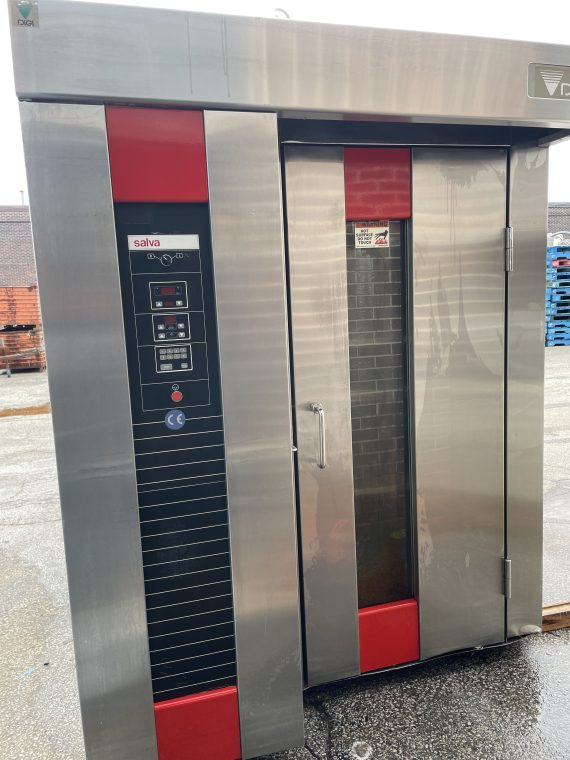
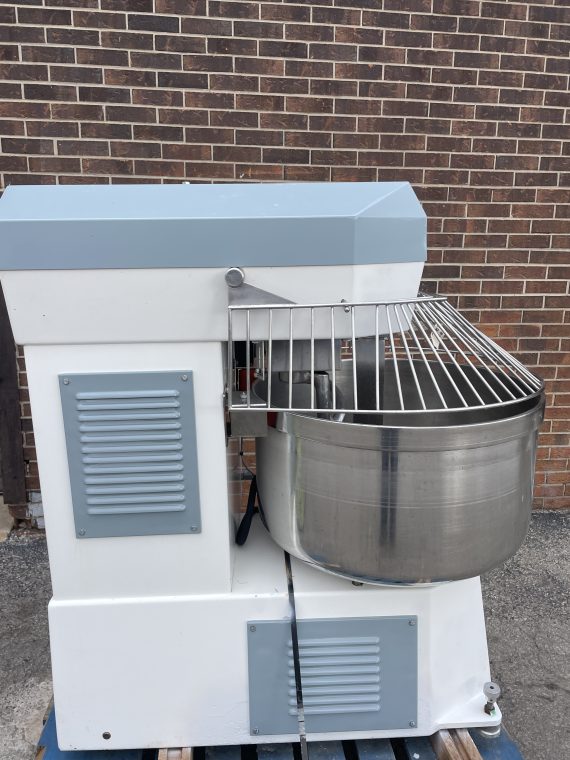
Newest Added Items
Check some of the newest products in our inventory
Contact Us
If you have any questions about our inventory or product details please give us a call or fill out the contact form and one of our sale managers will contact you.
Phone: (289) 993-5999
Phone: (289) 938-9348
Monday: 9 am – 5 pm
Tuesday: 9 am – 5 pm
Wednesday: 9 am – 5 pm
Thursday: 9 am – 5 pm
Friday: 9 am – 5 pm
Saturday: 9 am – 5 pm
Sunday: closed, by appointment only
After hours – by appointment
Contact form
Commercial Freezers And Refrigerators Leamington
Commercial freezers and refrigerators in Leamington are essential infrastructure for any food service operation, from restaurants and bakeries to grocery stores and ice cream shops. MB Food Equipment specializes in sourcing reliable used units that meet the precise cooling demands of Leamington's active food business community, offering dependable alternatives to costly new equipment without compromising performance or food safety standards.
1. Understanding Compressor Types and Cooling Efficiency
The compressor is the heart of any refrigeration unit, and selecting the right type directly affects energy consumption and operating costs. Reciprocating compressors are common in smaller to medium-sized units and offer proven reliability, while scroll compressors provide smoother operation and higher efficiency in larger installations. Rotary compressors deliver compact designs suitable for tight spaces typical in Leamington kitchens and retail environments.
Energy efficiency matters significantly because commercial refrigeration runs continuously. A unit operating 24 hours daily with a higher coefficient of performance (COP) rating will consume substantially less electricity over time. When evaluating used equipment, request the unit's nameplate specifications to verify the original COP rating and confirm the compressor type matches your operational requirements. MB Food Equipment can help you match compressor specifications to your facility's electrical capacity and cooling load calculations.
2. Capacity Planning and Load Calculations for Your Leamington Location
Proper sizing prevents both equipment strain and wasted investment. Undersized units run continuously trying to reach set temperatures, reducing lifespan and increasing energy costs. Oversized units cycle on and off inefficiently, consuming more power during startup than continuous operation would require. The rule of thumb for food service operations is to calculate roughly 0.75 to 1 cubic foot of refrigeration per square foot of kitchen space, though this varies significantly by business type.
A busy bakery in Leamington needs different capacity than a small cafe or a butcher shop-production volume, ambient kitchen temperatures, and door-opening frequency all factor into load calculations. MB Food Equipment works with local operators to assess their specific needs and recommend units from their inventory that match exact capacity requirements. This prevents the common mistake of purchasing available equipment rather than right-sized equipment, which saves money both at purchase and throughout the unit's operational life.
3. Temperature Zones and Product-Specific Refrigeration Needs
Different food products require different temperature maintenance. Frozen storage operates at -18°C (0°F) or below for long-term preservation. Standard refrigeration holds at 2-4°C (35-39°F) for fresh meats, dairy, and prepared foods. Produce and some beverages perform better at slightly warmer temperatures around 10°C (50°F). Gelato and ice cream shops need ultra-low capability, often -25°C (-13°F) or lower, to maintain texture and prevent crystal formation.
Commercial units designed for specific products have internal airflow patterns, shelf configurations, and thermal management tuned to those temperatures. A unit originally installed in a butcher operation may include specialized hooks and drainage systems unsuitable for a bakery's needs. When sourcing used commercial freezers and refrigerators for your Leamington business, specify the primary products you'll store so MB Food Equipment can match units built for those applications. This ensures proper air circulation, prevents flavor transfer between products, and maintains the compliance standards local health departments require.
4. Refrigerant Types and Environmental Compliance
Refrigerant selection affects both performance and regulatory compliance. Older units may contain CFC or HCFC refrigerants like R-22, which Ontario has phased out due to ozone depletion concerns. Modern units use HFC or HFO refrigerants such as R-404A, R-507, or R-134a, though regulations continue to tighten. Some newer equipment uses hydrofluoroolefins (HFOs) with lower global warming potential, reflecting current environmental standards.
When purchasing used equipment, confirm the refrigerant type and verify the unit can legally operate in Ontario. Service technicians in Leamington must maintain proper EPA certification to work with certain refrigerants, and using the wrong type or mixing refrigerants causes immediate failure and expensive repairs. MB Food Equipment ensures all equipment meets current provincial environmental standards before offering it for sale, protecting your investment and ensuring compliance with local regulations.
5. Electrical Requirements and Installation Logistics
Commercial refrigeration units demand specific electrical configurations. Smaller units operate on standard 120V single-phase circuits, while larger installations require 208V, 230V, or 277V three-phase power. The amperage draw varies dramatically-a reach-in refrigerator might use 15 amps, while a walk-in cooler can demand 30-60 amps. Exceeding your facility's available circuit capacity creates fire hazards and nuisance breaker trips that interrupt service and spoil inventory.
Before selecting equipment, consult your electrical panel capacity and existing circuit configuration. Many Leamington food businesses operate from older spaces with limited three-phase availability, requiring careful planning. MB Food Equipment considers your facility's electrical infrastructure as part of the recommendation process, ensuring units you purchase will integrate smoothly. Improper installation due to electrical mismatch is one of the costliest mistakes food business owners make, so this consultation adds genuine value beyond equipment selection alone.
6. Maintenance Access and Component Serviceability
Used equipment represents excellent value only if replacement parts remain available and technicians can access components for routine maintenance. Compressor bearings, evaporator coils, condenser fans, and door gaskets are wear items with predictable lifespans. Units from established manufacturers like True, Turbo Air, Kolpak, and Bohn have robust parts distribution networks, while equipment from discontinued brands or non-standard manufacturers may require expensive custom fabrication.
Interior components should be accessible for cleaning and repair without special tools or refrigerant venting. Coil design-whether reach-in accessible or buried inside the cabinet-affects maintenance costs. When inspecting used equipment at MB Food Equipment's Oakville showroom, ask specifically about parts availability, typical service intervals, and which components the previous owner replaced. This historical information reveals how well the unit was maintained and predicts future reliability for your Leamington operation.
7. Warranty, Testing, and Post-Purchase Support
Used equipment carries inherent uncertainty, but thorough testing before delivery eliminates most surprises. Professional evaluation includes temperature consistency checks across the interior, evaporator and condenser coil inspection for blockages, compressor operation verification, gasket integrity assessment, and electrical safety testing. Temperature-holding tests typically run for 4-8 hours to confirm the unit reaches and maintains set points under realistic load.
MB Food Equipment tests all inventory before offering it for sale, providing you with documented proof that units perform correctly before you take delivery. This testing protects your business because a failing refrigerator discovered weeks after installation creates expensive inventory loss and operational chaos. Understanding what pre-delivery testing was completed, what component lifespan you can reasonably expect, and what support is available if issues emerge separates reliable used equipment from problematic purchases. When you're evaluating options for your Leamington food business, ask directly about testing protocols and the company's willingness to stand behind what they sell.
If you're opening a new food business in Leamington or upgrading refrigeration equipment for an established operation, MB Food Equipment can guide you through these technical considerations and help match their current inventory to your specific needs. Reach out to discuss your requirements and explore how cost-effective used equipment can support your business without compromising reliability or food safety.
Frequently Asked Questions
What size commercial freezer or refrigerator do I need for my Leamington restaurant?
The right size depends on your kitchen square footage, production volume, and menu type. A general rule is 0.75 to 1 cubic foot of refrigeration per square foot of kitchen space, but this varies by operation. MB Food Equipment can assess your specific needs and recommend appropriately sized units from their inventory that match your Leamington location's requirements.
Are used commercial freezers and refrigerators reliable for food service operations?
Used equipment from established manufacturers like True, Turbo Air, and Binn offers excellent reliability when properly maintained and tested before purchase. MB Food Equipment thoroughly evaluates all units before sale, confirming they maintain consistent temperatures and meet food safety standards. Purchasing used equipment represents proven technology with known service histories.
What electrical requirements do commercial freezers and refrigerators need?
Requirements vary by unit size. Small reach-in units operate on standard 120V single-phase power, while larger installations need 208V, 230V, or 277V three-phase circuits. Draw ranges from 15 amps for compact units to 30-60 amps for walk-in coolers. Check your facility's electrical panel capacity before selecting equipment to ensure proper installation.
How much does a used commercial refrigerator cost in Leamington?
Pricing depends on unit size, age, condition, and features. Used equipment typically costs 40-60% less than new comparable units. MB Food Equipment maintains competitive pricing with their current inventory in Oakville and the Greater Toronto Area, serving Leamington food businesses with cost-effective alternatives.
Can I purchase a used freezer or refrigerator that was designed for a different type of food business?
Yes, but specifications should match your needs. A unit originally used in a butcher shop may have specialized features unsuitable for a bakery, and vice versa. Confirm that internal configurations, shelf arrangements, temperature capabilities, and airflow patterns align with the products you'll store to ensure proper performance.
What refrigerant types are legal to use in Ontario commercial refrigeration?
Modern equipment uses HFC or HFO refrigerants like R-404A, R-507, or R-134a. Older CFC and HCFC refrigerants like R-22 are phased out in Ontario due to environmental regulations. Ensure any used equipment you purchase contains approved refrigerant and can legally operate in the province.