


loc
Visit us in our warehouse in Oakville, ON, or call us today to find out how MB Food Equipment can help serve your needs.
Feel free to browse our used food equipment inventory.
Our Products
In our showroom you will find only quality products from famous brands.
Newest Added Items
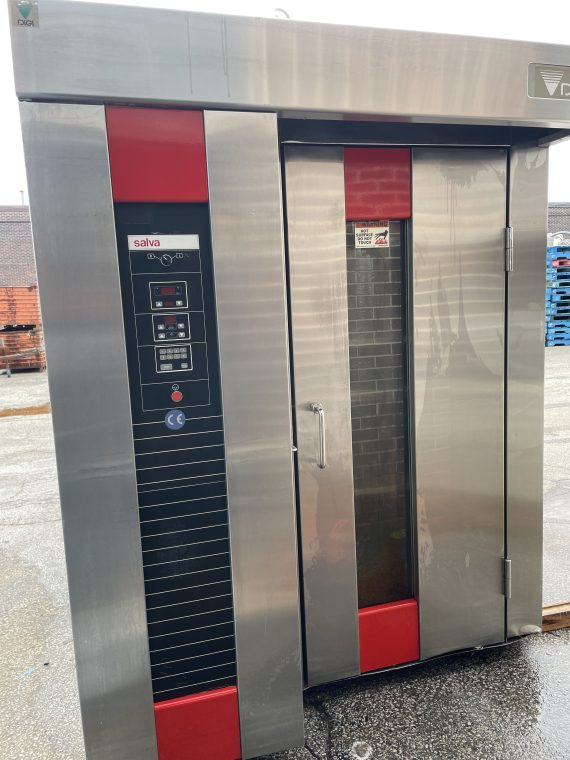
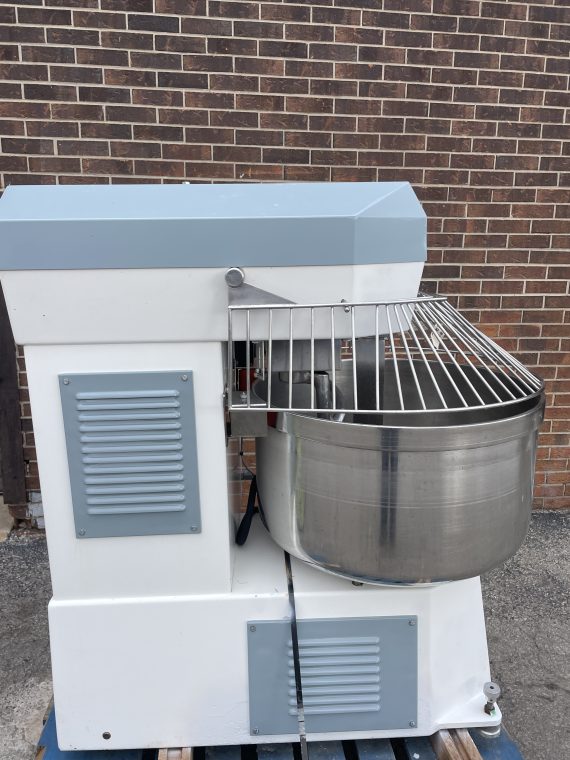
Check some of the newest products in our inventory
Contact Us
If you have any questions about our inventory or product details please give us a call or fill out the contact form and one of our sale managers will contact you.
Phone: (289) 993-5999
Phone: (289) 938-9348
Monday: 9 am – 5 pm
Tuesday: 9 am – 5 pm
Wednesday: 9 am – 5 pm
Thursday: 9 am – 5 pm
Friday: 9 am – 5 pm
Saturday: 9 am – 5 pm
Sunday: closed, by appointment only
After hours – by appointment
Contact form
Commercial Freezers And Refrigerators North Bay
Commercial freezers and refrigerators in North Bay are essential infrastructure for any food service operation, and sourcing the right units requires understanding your capacity needs, space constraints, and budget realities. MB Food Equipment serves North Bay and the Greater Toronto Area with a focused inventory of used commercial refrigeration equipment sourced from established manufacturers, helping food business owners avoid the capital expense of new units without compromising on reliability.
North Bay's food service sector spans restaurants, cafes, butcher shops, bakeries, and grocery operations. Each has different cooling demands. A small cafe may need a single undercounter unit, while a grocery store requires multiple walk-in boxes and reach-in cabinets running continuously. The choice between freezer and refrigerator capacity, between reach-in and walk-in configurations, and between single-door and multi-door models depends directly on your operation's throughput, product mix, and available floor space.
Types of Commercial Refrigeration Equipment Available in North Bay
North Bay food businesses typically choose from four main categories of cooling equipment, each serving distinct operational purposes. Understanding the differences helps you avoid purchasing units that sit idle or fail to meet demand.
Reach-in refrigerators and freezers occupy a footprint of roughly 24 to 48 inches wide and 24 to 30 inches deep. These units work well in kitchens where staff need frequent access to ingredients during service. A bakery in North Bay might use a reach-in freezer for frozen dough, while a cafe uses reach-in refrigerators for dairy, prepared salads, and sandwiches. Cost per cubic foot tends to be higher because these units sacrifice storage volume for accessibility and counter space efficiency.
Walk-in coolers and freezers require dedicated space-typically a 6-by-8-foot room minimum-but deliver 100 to 600 cubic feet of storage in a single unit. A grocery operation or mid-sized restaurant in North Bay benefits from walk-in capacity because the unit runs continuously and the per-cubic-foot cost drops significantly. The trade-off is that you cannot add or move a walk-in easily once installed, so space planning matters before purchase.
Undercounter units occupy the footprint of a standard food service table, usually 27 to 36 inches wide and 28 to 34 inches tall. These fit snugly into prep stations and behind service lines. An ice cream or gelato shop in North Bay might use undercounter freezers to keep base mix accessible during peak hours. Storage capacity is modest-typically 7 to 12 cubic feet-but the convenience justifies the investment for high-volume, point-of-service operations.
Glass-door reach-ins and open-top displays serve retail or self-service environments. A North Bay grocery store uses these to let customers select items directly, while a gelato shop uses display freezers to showcase product. These units cost more to operate because they lose cold air constantly, but they drive sales through visibility.
Choosing Between New and Used Commercial Refrigeration in North Bay
Used commercial freezers and refrigerators from established manufacturers carry 40 to 60 percent lower acquisition costs than equivalent new units, and this difference matters more to startups and expanding operations in North Bay than to any other factor. A walk-in cooler from a leading manufacturer that cost 18,000 dollars new might sell for 7,000 to 9,000 dollars used; that capital stays available for inventory, staffing, or marketing.
Reliability depends on the unit's service history and condition, not its age alone. Equipment from True, Traulsen, Hussmann, and similar manufacturers holds up for 10 to 15 years with routine maintenance. MB Food Equipment inspects and tests inventory before sale, which reduces the risk inherent in buying sight-unseen. A restaurant owner in North Bay purchasing a used reach-in gets the same component quality and spare-parts availability as a new unit costs significantly less.
Service and repair logistics matter in North Bay because technician response time affects your operation's downtime. Major equipment suppliers stock parts for established brands; independent repair shops in the region service these units routinely. A used unit from a common manufacturer means you have multiple repair options. Proprietary or discontinued brands risk longer downtime if something fails.
Energy efficiency has improved in newer equipment, but the difference in operating cost between a unit built 5 years ago and one built today is often 10 to 15 percent annually. For a walk-in cooler running 24/7, that translates to roughly 300 to 500 dollars per year in electricity. Calculate the operating-cost difference over your expected holding period; if you plan to operate in North Bay for five years, the cumulative energy savings of a new unit may not exceed the upfront savings of a quality used alternative.
Capacity planning should precede the purchase decision. A North Bay restaurant that underestimates cold storage loses food quality and generates waste; overestimation wastes energy and floor space. MB Food Equipment works with buyers to match unit size, configuration, and quantity to actual demand, avoiding both shortfalls and excess.
Practical Recommendations for North Bay Food Businesses
Start by documenting your current and projected inventory. How many pounds of protein must stay frozen daily? How many gallons of prepared sauce must stay at 38 degrees Fahrenheit? How much fresh produce moves through your operation in a week? These numbers determine the cubic footage you need; oversizing by 20 percent gives you flexibility without wasteful excess.
Measure your available space carefully and account for clearance. A walk-in cooler needs clearance for door swing, ventilation, and condenser access. Reach-in units need space for staff to work around them and room for air circulation on the sides and back. North Bay kitchens vary widely in layout; detailed floor plans prevent the expense of discovering that a unit does not fit after purchase.
Prioritize units from manufacturers with strong parts availability in Ontario. True, Traulsen, Hussmann, Randell, and similar brands have established service networks. Buying a unit from an unfamiliar manufacturer saves money upfront but risks isolation if you need repairs.
Request documentation of the unit's service history if available. A used reach-in with a service record showing regular filter changes and coil cleaning is lower-risk than one with no history. This matters because preventive maintenance extends equipment life; inherited problems become your burden.
Evaluate delivery and installation support. Used equipment often requires new gaskets, leveling, and electrical connection by a qualified technician. MB Food Equipment handles delivery and setup, reducing the risk that you receive a unit and find it non-functional or unsafe.
If you are unsure about capacity or type, speak with a supplier who has worked with food businesses similar to yours. A conversation with someone who has equipped restaurants, bakeries, or ice cream shops in North Bay reveals practical details that generic product specifications miss.
MB Food Equipment works with North Bay food entrepreneurs and established operations to match cold storage needs with reliable, cost-effective equipment. Whether you are opening a new cafe, expanding a grocery operation, or replacing a failed freezer, contact MB Food Equipment to discuss your requirements and explore available inventory.
Frequently Asked Questions
What size commercial freezer do I need for a small restaurant in North Bay?
Most small restaurants in North Bay-serving 50 to 100 covers per day-benefit from a combination of one or two reach-in freezers (28 to 36 inches wide) plus access to shared walk-in storage. Total freezer capacity typically ranges from 30 to 50 cubic feet. The exact size depends on your menu, inventory turnover, and the products you stock; consulting with an equipment supplier who has worked with similar operations helps avoid both shortfall and waste.
How much can I save by buying used commercial refrigeration instead of new?
Used commercial refrigeration equipment typically costs 40 to 60 percent less than equivalent new units. A reach-in refrigerator that costs 5,000 dollars new might sell used for 2,000 to 2,500 dollars; a walk-in cooler might drop from 18,000 dollars to 7,000 to 9,000 dollars. Savings of this magnitude are significant for startups or expanding operations, though you should factor in inspection, delivery, and installation costs.
Are there commercial freezer and refrigerator suppliers near North Bay?
MB Food Equipment, based in Oakville, serves North Bay and the Greater Toronto Area with used commercial refrigeration. They source equipment from established manufacturers, inspect inventory before sale, and handle delivery and installation. This regional approach means you work with a supplier familiar with the types of operations common in North Bay rather than a distant national warehouse.
How long do used commercial freezers typically last?
Equipment from established manufacturers like True, Traulsen, and Hussmann typically operates reliably for 10 to 15 years with routine maintenance. Lifespan depends on service history, local water quality, coil cleanliness, and gasket condition rather than age alone. Purchasing a used unit with documented maintenance history reduces risk and often adds years of usable life.
What is the difference between a reach-in and a walk-in freezer for my North Bay food business?
Reach-in freezers occupy 24 to 48 inches of counter space and hold 7 to 20 cubic feet; they suit kitchens where staff need frequent access during service. Walk-in freezers require a dedicated room of at least 6 by 8 feet and hold 100 to 600 cubic feet; they cost less per cubic foot and work well for high-volume operations like grocery stores or large restaurants. Choose based on your daily throughput and available space.