


loc
Visit us in our warehouse in Oakville, ON, or call us today to find out how MB Food Equipment can help serve your needs.
Feel free to browse our used food equipment inventory.
Our Products
In our showroom you will find only quality products from famous brands.
Newest Added Items
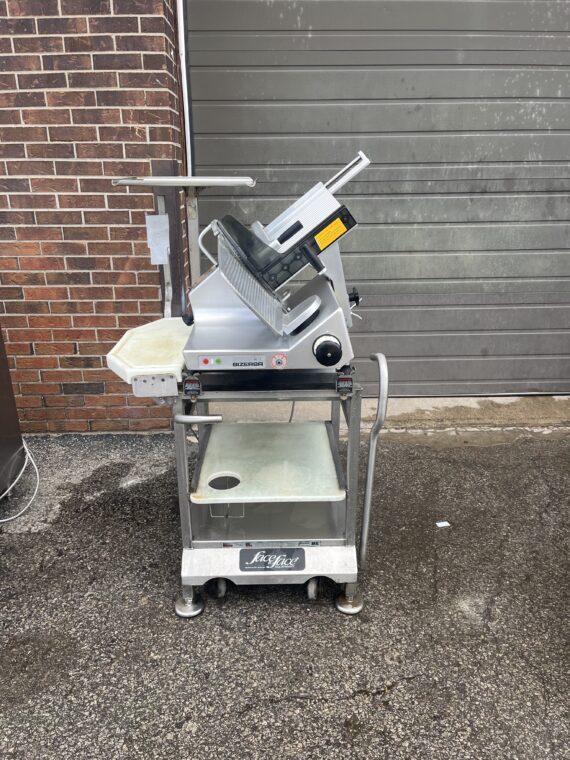
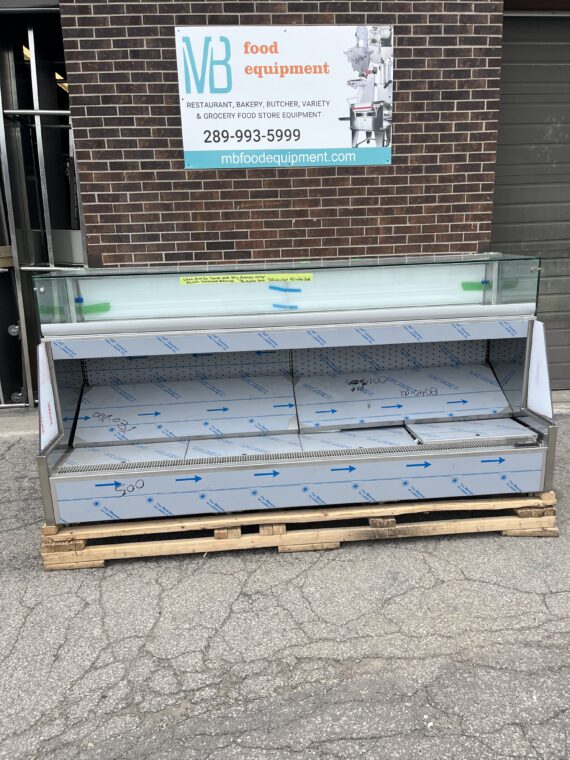
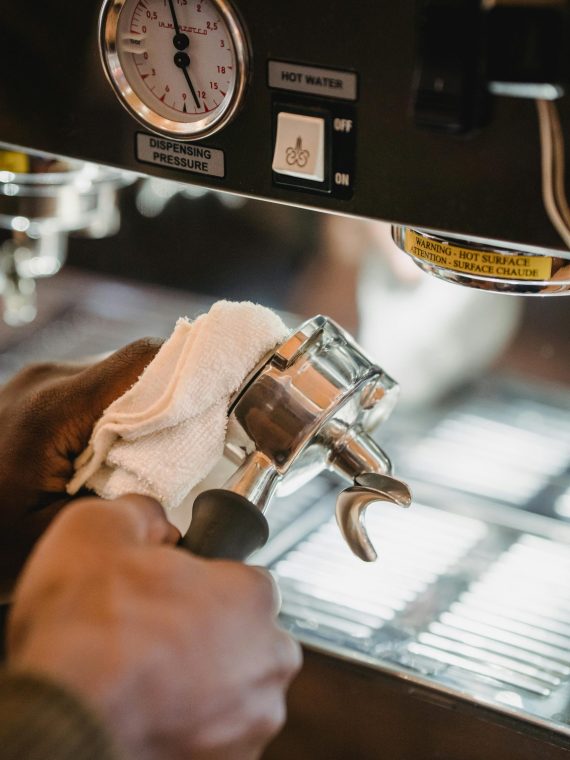
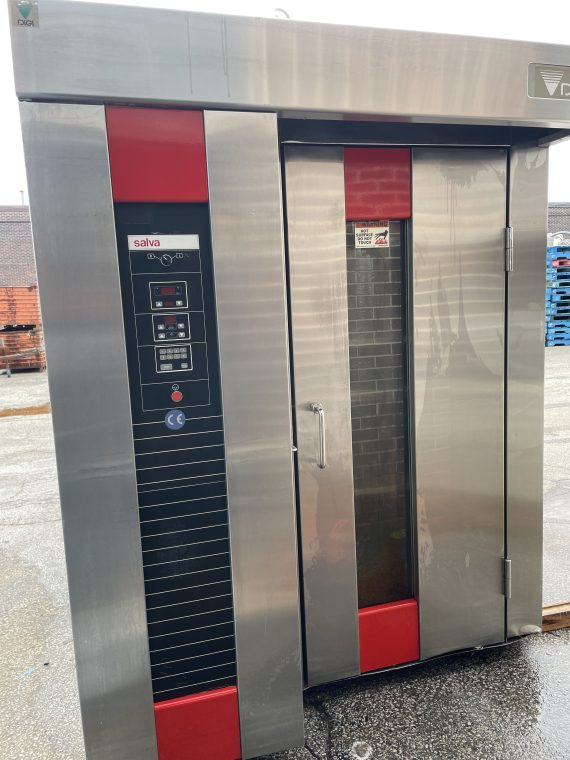
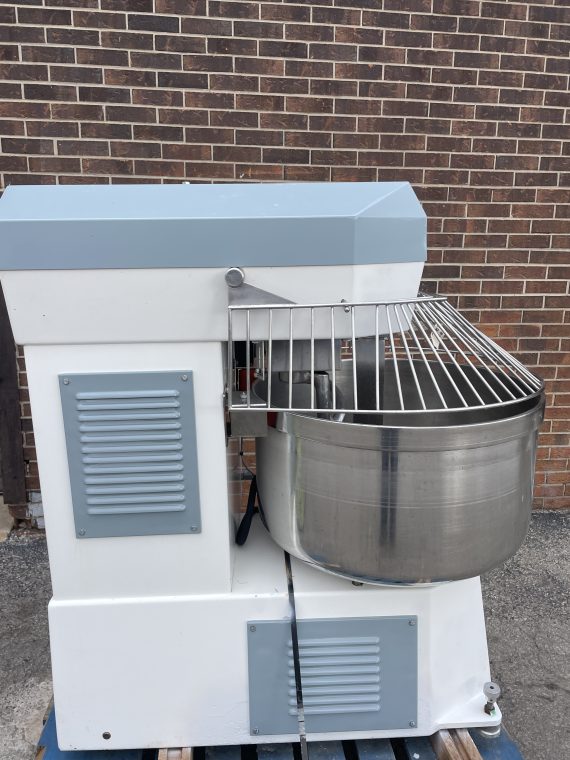
Check some of the newest products in our inventory
Contact Us
If you have any questions about our inventory or product details please give us a call or fill out the contact form and one of our sale managers will contact you.
Phone: (289) 993-5999
Phone: (289) 938-9348
Monday: 9 am – 5 pm
Tuesday: 9 am – 5 pm
Wednesday: 9 am – 5 pm
Thursday: 9 am – 5 pm
Friday: 9 am – 5 pm
Saturday: 9 am – 5 pm
Sunday: closed, by appointment only
After hours – by appointment
Contact form
Commercial Freezers And Refrigerators Woodstock
Commercial freezers and refrigerators in Woodstock serve food businesses ranging from independent restaurants to grocery operations, and selecting the right unit requires understanding capacity, energy efficiency, and long-term maintenance. MB Food Equipment specializes in sourcing reliable used refrigeration equipment for Woodstock-area operators, helping businesses balance performance with upfront capital costs.
1. Capacity and Cubic Footage Matter More Than You Might Think
The capacity of a commercial refrigerator or freezer is measured in cubic feet, and oversizing or undersizing directly affects food safety, energy consumption, and workflow. A walk-in cooler sized for 35 cubic feet will cool food faster and more uniformly than a unit at 25 cubic feet handling the same inventory, because cold air circulates more effectively without overcrowding. Conversely, a 50-cubic-foot unit running at 30 percent capacity wastes energy and occupies expensive floor space.
For Woodstock restaurants and bakeries, the calculation depends on your peak inventory, not your average daily volume. If you receive a large delivery twice weekly and need to hold prepared components overnight, plan for capacity that accommodates those peaks comfortably. MB Food Equipment can assess your current operation and recommend units that match your actual storage needs, whether you are upgrading from a single reach-in to a walk-in, or consolidating multiple units into one efficient system.
2. Compressor Type Determines Efficiency and Operating Costs
Commercial refrigeration equipment uses either reciprocating, scroll, or rotary compressors, each with distinct efficiency profiles and operating characteristics. Reciprocating compressors are durable and common in older units, cycling on and off to maintain temperature; scroll compressors run more continuously and deliver steadier cooling with lower energy draw; rotary compressors are typically found in larger systems and offer the highest efficiency at high capacity utilization. Because refrigeration often represents 15 to 25 percent of a food service operation's monthly energy cost, compressor selection significantly affects long-term profitability.
A unit with a scroll compressor will typically consume 10 to 15 percent less electricity than an equivalent reciprocating model, translating to measurable savings over years of operation. When MB Food Equipment sources used refrigeration for Woodstock businesses, we verify compressor function and age, because a well-maintained scroll or rotary compressor in a three-year-old unit often outperforms a new reciprocating design from a budget manufacturer. This is why experienced operators often choose slightly older, higher-quality equipment over brand-new budget units.
3. Temperature Control Precision Prevents Food Waste and Liability
Commercial-grade refrigerators maintain temperatures between 35 and 38 degrees Fahrenheit, while freezers operate at 0 degrees Fahrenheit or below. The thermostat and temperature sensor must hold these ranges within plus or minus 2 degrees to prevent bacterial growth and ensure food safety compliance. Digital controls with alarm systems are now standard on mid-range and higher-end units, alerting staff if temperature drifts outside the safe zone due to a failed component or open door.
For Woodstock bakeries, ice cream shops, and butchers, temperature precision is non-negotiable; a freezer fluctuating between minus 5 and plus 5 degrees will degrade product quality and shorten shelf life, directly harming your reputation and margins. When evaluating used commercial refrigeration equipment, always request temperature logs from the previous owner and verify that the thermostat has been recently calibrated. MB Food Equipment tests all units before delivery and provides documentation confirming temperature stability, so you can operate with confidence from day one.
4. Door Gasket Condition and Seal Integrity Drive Energy Efficiency
The rubber gasket around the door is the frontline defense against warm air infiltration, and a degraded or misaligned gasket can increase compressor runtime by 20 to 30 percent. Over a year, a failing gasket on a reach-in refrigerator costs hundreds of dollars in excess electricity. You can perform a simple test: close a dollar bill halfway in the door; if it pulls out without resistance, the seal is compromised and will require replacement.
Gasket replacement is straightforward and inexpensive relative to the energy savings, typically running 50 to 150 dollars depending on the unit size. When purchasing used refrigeration equipment in Woodstock, inspect the gasket visually and tactilely; it should feel firm and show no cracking, hardening, or adhesive residue. MB Food Equipment checks and replaces worn gaskets on all used units before sale, and we advise customers on gasket maintenance schedules to prevent future degradation.
5. Ventilation and Clearance Requirements Prevent Premature Failure
Commercial refrigeration units expel heat from the condenser coils, and inadequate clearance forces the compressor to work harder and shortens equipment life by years. Manufacturers specify minimum clearance distances, typically 6 to 12 inches behind the unit and 3 to 6 inches on each side. A unit wedged into a corner or backed against a wall will overheat, cycle excessively, and fail prematurely despite having adequate internal capacity.
Woodstock kitchens often operate in tight spaces, and ventilation conflicts arise during renovations or equipment consolidation. MB Food Equipment helps plan placement to balance space constraints with operational longevity, because a unit that fails after 18 months due to poor ventilation costs far more than the premium for a unit positioned correctly from the start. We also provide guidance on external condensing units, which expel heat outside the kitchen and are ideal for confined spaces in restaurants, cafes, and specialty food shops.
6. Regular Maintenance Extends Lifespan by 30 to 50 Percent
Commercial refrigeration maintenance involves condenser coil cleaning, refrigerant level checks, compressor oil analysis, and thermostat calibration, typically performed every three to six months depending on the environment. A kitchen with high particulate loading, such as a bakery with flour dust, requires more frequent coil cleaning because blockage reduces heat transfer and forces the compressor into overdrive. Without maintenance, a commercial refrigerator rated for ten years of service may fail after five to seven years.
MB Food Equipment recommends establishing a maintenance contract with a local HVAC or refrigeration technician when you purchase used equipment in Woodstock. Many service providers offer preventive packages that cost 30 to 60 dollars per visit, far less than the 500 to 1,500 dollars typically spent on emergency repairs or component replacement. We provide new owners with a maintenance checklist and can recommend qualified service providers familiar with the equipment you purchase.
7. Modular and Stackable Designs Adapt to Changing Needs
Modern commercial refrigeration is increasingly modular, with separate refrigerated and frozen compartments stacking vertically or standing side by side, allowing you to scale capacity as your business grows. A startup bakery or cafe in Woodstock might begin with a single reach-in unit, then add a second unit or transition to a walk-in as volume increases. Modular systems cost less upfront, occupy less space initially, and remain flexible as your operation evolves.
Used modular equipment often represents exceptional value because previous owners upgraded to larger systems as their businesses scaled. MB Food Equipment maintains rotating inventory of reach-in units, under-counter refrigerators, and walk-in components, so Woodstock entrepreneurs and established operators alike can source equipment that matches their current footprint and growth trajectory. When you are ready to upgrade or expand, we also purchase your existing equipment at fair market value, making the transition cost-effective.
Selecting and maintaining commercial refrigeration requires attention to capacity, efficiency, temperature control, and physical placement. MB Food Equipment brings decades of experience sourcing and installing reliable used refrigeration for Woodstock food businesses, from ice cream shops to butchers to full-service restaurants. If you are starting a new operation, expanding your facility, or replacing aging equipment, reach out to discuss your specific needs and explore what we have in stock.
Frequently Asked Questions
What size commercial refrigerator do I need for a small restaurant in Woodstock?
Size depends on your peak inventory volume and delivery schedule. A typical small restaurant with daily deliveries needs 25 to 35 cubic feet of reach-in refrigeration plus 15 to 25 cubic feet of freezer capacity. MB Food Equipment can assess your current operation and recommend the right fit.
How much does a used commercial freezer cost in Woodstock?
Used commercial freezers range from 300 to 2,000 dollars depending on type, size, age, and condition. A compact reach-in freezer typically costs 400 to 800 dollars, while walk-in systems run significantly higher. Contact MB Food Equipment for current inventory and pricing.
How long do commercial refrigerators last with proper maintenance?
A well-maintained commercial refrigerator typically operates for eight to twelve years, though models with quality compressors can exceed fifteen years. Regular maintenance, prompt gasket replacement, and adequate ventilation are the primary factors determining lifespan.
Can I install a commercial refrigerator in a small kitchen space?
Yes, but you must maintain manufacturer clearance requirements, typically six inches behind and three inches on each side. External condensing units and under-counter models are excellent solutions for tight spaces. MB Food Equipment can help plan placement for your specific kitchen layout.
What should I check when buying used commercial refrigeration equipment?
Verify temperature stability with recent logs, inspect the door gasket for cracks or hardening, listen for unusual compressor noise, and confirm that condenser coils are clean. Request service history if available. MB Food Equipment tests all used units before sale and provides documentation.
Is it cheaper to buy used or new commercial refrigeration?
Used equipment typically costs 40 to 60 percent less than new models with comparable capacity and features. Quality used units from reputable manufacturers often deliver better long-term value than budget new units, especially if maintained properly.
Does MB Food Equipment service equipment after I buy it?
MB Food Equipment sells and delivers equipment but does not provide ongoing service. We recommend establishing a maintenance contract with a local refrigeration technician and provide customers with a recommended service schedule and contact information for qualified providers.