


loc
Visit us in our warehouse in Oakville, ON, or call us today to find out how MB Food Equipment can help serve your needs.
Feel free to browse our used food equipment inventory.
Our Products
In our showroom you will find only quality products from famous brands.
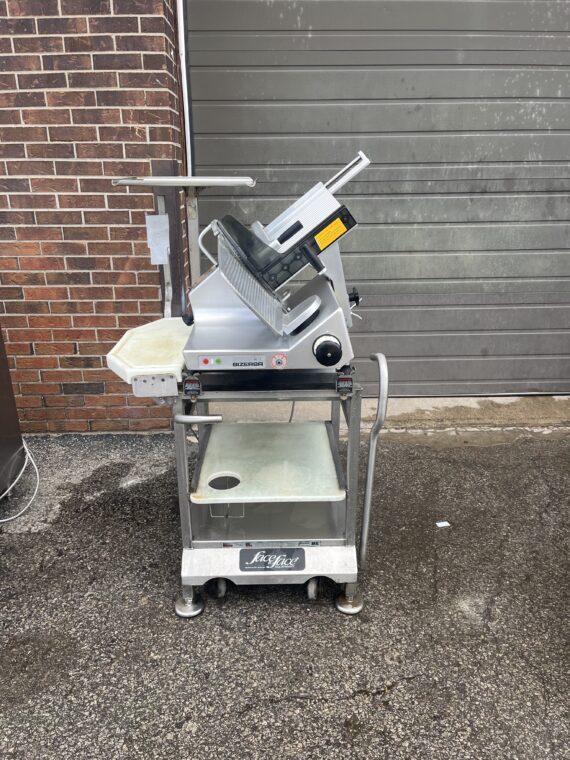
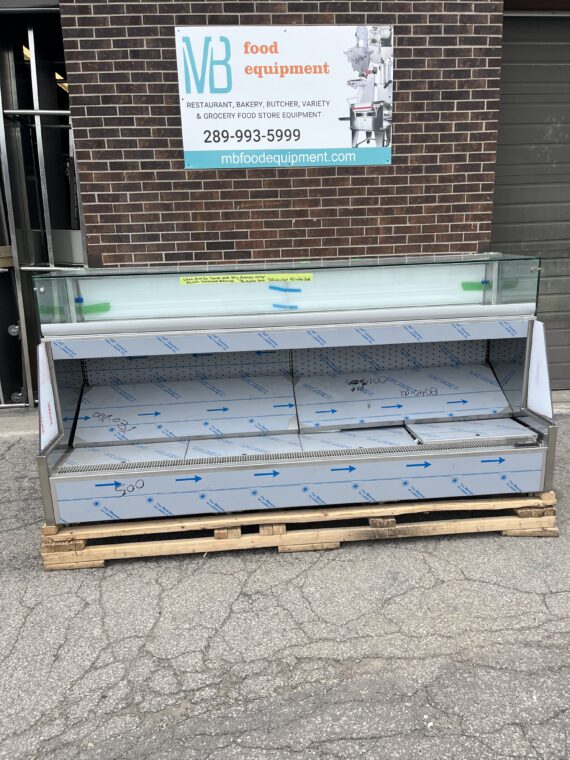
Newest Added Items
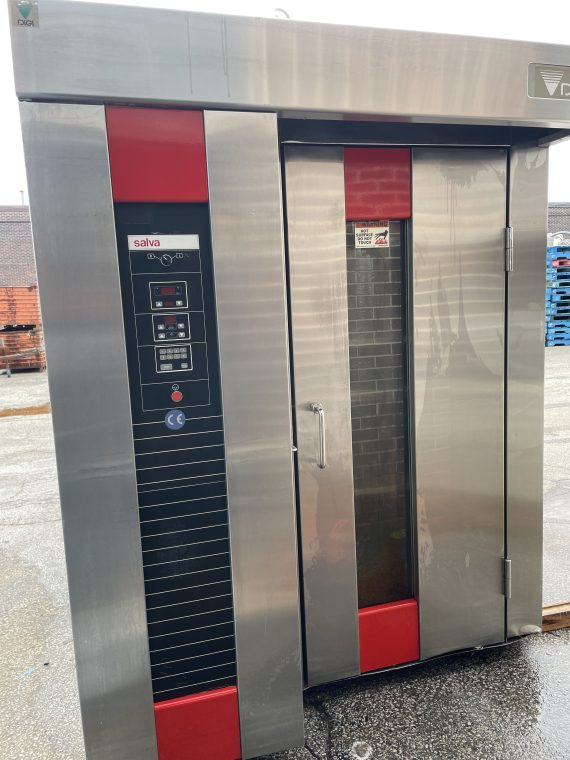
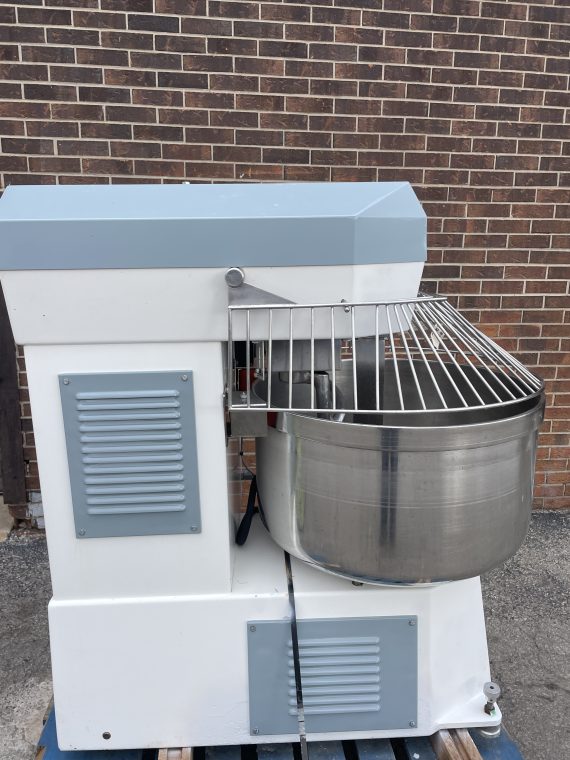
Check some of the newest products in our inventory
Contact Us
If you have any questions about our inventory or product details please give us a call or fill out the contact form and one of our sale managers will contact you.
Phone: (289) 993-5999
Phone: (289) 938-9348
Monday: 9 am – 5 pm
Tuesday: 9 am – 5 pm
Wednesday: 9 am – 5 pm
Thursday: 9 am – 5 pm
Friday: 9 am – 5 pm
Saturday: 9 am – 5 pm
Sunday: closed, by appointment only
After hours – by appointment
Contact form
Commercial Freezers And Refrigerators
Commercial freezers and refrigerators are the backbone of any food service operation, keeping inventory safe and accessible while managing cost and space. Whether you're opening a restaurant in Oakville, expanding a bakery, or replacing aging equipment in your grocery operation, selecting and installing the right refrigeration system is critical to your success. MB Food Equipment has helped hundreds of food businesses across the Greater Toronto Area find reliable, cost-effective cooling solutions that fit their exact needs and budget. This guide walks you through the entire process, from assessing your requirements to getting equipment up and running.
Step 1: Calculate Your Capacity and Storage Needs
Before shopping for equipment, determine exactly how much refrigerated and frozen storage you actually need. Start by listing every category of inventory you'll keep cold: proteins, dairy, produce, prepared foods, beverages, or specialty items like gelato or ice cream. For each category, estimate the volume you hold at any given time, then add 20 percent for peak demand or seasonal fluctuations. This gives you your true capacity requirement in cubic feet.
Consider your operation's rhythm too. A busy lunch-focused cafe in Oakville has different peak times than a neighborhood butcher shop, and your storage pattern should reflect that. MB Food Equipment's team works with owners to review their actual inventory flow, not just guess at capacity. This step saves thousands in equipment that sits empty or, worse, equipment too small to handle your real volume. Many startups underestimate; many established operations forget to account for growth when they expand.
Step 2: Measure Your Space and Check Utility Requirements
Refrigeration equipment demands specific conditions to function properly and safely. Measure the exact location where your unit will live: width, depth, height, and the clearance above and around it. Most commercial units need 2 to 4 inches of breathing room on the sides and back to ensure proper air circulation and heat dissipation. Undersized spaces lead to equipment running hot, cycling constantly, and failing prematurely.
Next, verify your electrical infrastructure. Commercial equipment typically runs on 115V or 208V circuits, and heavy-duty units require dedicated lines to avoid tripping breakers or starving other equipment of power. Check your panel capacity and have an electrician confirm what your kitchen can support before purchasing. In older buildings across Oakville and the surrounding area, electrical upgrades are common and should be budgeted upfront. MB Food Equipment advises customers on these technical details and can guide you toward units that match your existing setup, avoiding costly retrofit work or undersized, inefficient alternatives.
The wrong equipment size or placement costs more to run, breaks down sooner, and fails exactly when you need it most. Getting the specifications right the first time is the single biggest driver of long-term reliability and value.
Step 3: Compare Unit Types and Features, Then Install and Commission
Commercial refrigeration comes in several configurations. Reach-in models work well for quick access in tight kitchens; walk-in coolers or freezers suit high-volume operations or those needing dedicated zones for different products. Undercounter units maximize space in compact settings like ice cream or gelato shops. Each type has trade-offs in capacity, energy use, and access speed. MB Food Equipment stocks a range of used units from trusted manufacturers, allowing you to find proven equipment at a fraction of new prices without sacrificing reliability.
When your equipment arrives, confirm it's in the promised condition and document any cosmetic wear. Ensure the delivery team places it exactly where it will live; moving heavy units later is difficult and risky. Allow 24 hours after delivery before powering on if the unit was transported in cold conditions, to let internal components stabilize. Plug in, set your target temperature, and monitor it for several hours to ensure it holds steady. Stock it gradually over the first few days so the compressor isn't shocked by a sudden full load. An electrician or the supplier's technician can walk through startup procedures, answer questions about controls, and confirm everything is operating normally before your team relies on it for real inventory.
Key installation and operation points to remember:
- Leave required clearance on all sides for air circulation and maintenance access
- Ensure electrical circuits are dedicated and properly grounded
- Allow stabilization time after transport before powering on
- Stock gradually to avoid compressor strain
- Keep doors and seals clean and undamaged to maintain efficiency
- Schedule regular maintenance to extend equipment life
Getting your refrigeration right pays dividends every single day. MB Food Equipment has spent years sourcing reliable used units and helping food businesses in Oakville, Toronto, and across the Greater Toronto Area install them correctly. If you're starting fresh, expanding, or replacing aging equipment that's costing too much to run or repair, reach out. We'll review your operation, understand your budget, and help you find the right solution. Contact us to discuss your needs and explore the available inventory.
Frequently Asked Questions
What size commercial refrigerator or freezer do I need for my restaurant?
Size depends on your menu, daily volume, and inventory turnover. Calculate the cubic footage of each product category you store, add 20 percent for peak demand, then choose a unit that matches. A busy lunch cafe needs different capacity than a full-service dinner restaurant. MB Food Equipment's team reviews your specific operation to recommend the right fit.
How much does a used commercial freezer cost in Oakville?
Pricing varies based on size, condition, age, and brand. Used units are typically 40-60 percent less than new equivalents. MB Food Equipment offers competitively priced inventory and can discuss your budget to find reliable equipment that fits your investment.
Can I install commercial refrigeration equipment myself?
Installation requires proper electrical setup, correct spacing, and knowledge of refrigerant systems. Most businesses hire a licensed electrician or use the supplier's installation service to ensure safety and warranty compliance. MB Food Equipment can guide you through the process or connect you with installers.
What is the difference between a reach-in cooler and a walk-in?
Reach-in units are compact and provide quick access to frequently used items; they suit smaller kitchens and retail spaces. Walk-in coolers and freezers offer much larger capacity and are ideal for high-volume operations, bakeries, and butcher shops. Walk-ins also allow staff to move around inside for inventory management.
How long do used commercial refrigerators typically last?
Well-maintained used equipment can operate reliably for 5-10 more years, depending on its age when purchased and how heavily it's used. Regular cleaning, proper temperature monitoring, and timely repairs extend lifespan significantly. MB Food Equipment sources units from quality manufacturers known for durability.
What should I look for when buying used food service equipment in the Greater Toronto Area?
Check that cooling systems hold temperature consistently, seals and hinges are intact, and the unit is clean inside and out. Verify electrical specs match your kitchen's capacity, and ask about the equipment's history. Reputable suppliers like MB Food Equipment inspect inventory before sale and stand behind their products.
Does my kitchen in Oakville need electrical upgrades for commercial refrigeration?
Many older kitchens do. Commercial units typically need dedicated 208V or 115V circuits with proper grounding. Have a licensed electrician evaluate your panel before purchase to identify any upgrades needed and avoid surprises during installation.