


loc
Visit us in our warehouse in Oakville, ON, or call us today to find out how MB Food Equipment can help serve your needs.
Feel free to browse our used food equipment inventory.
Our Products
In our showroom you will find only quality products from famous brands.
Newest Added Items
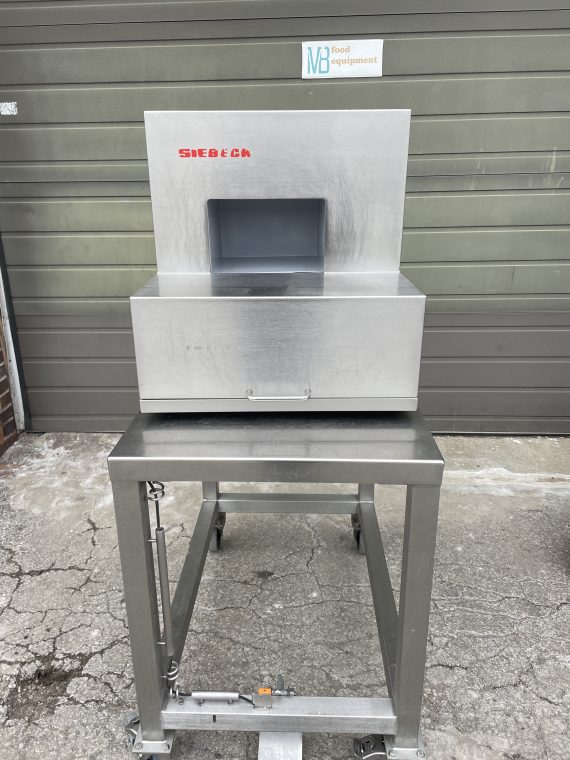
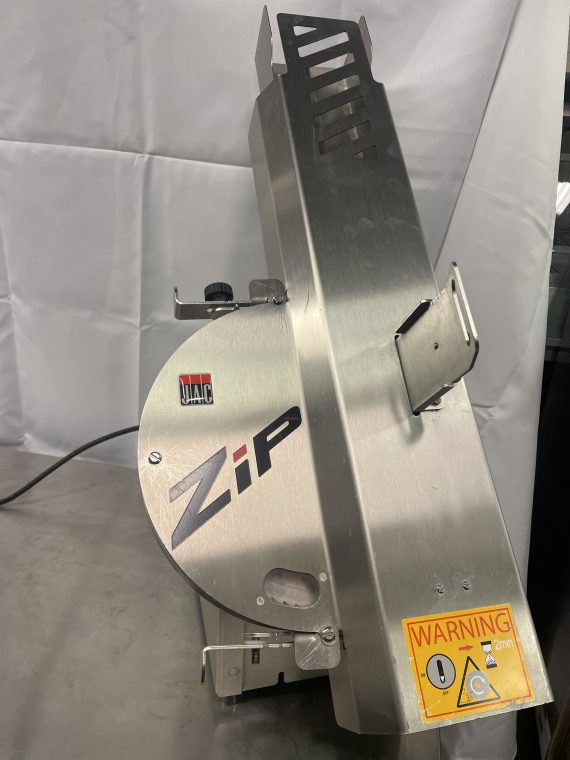
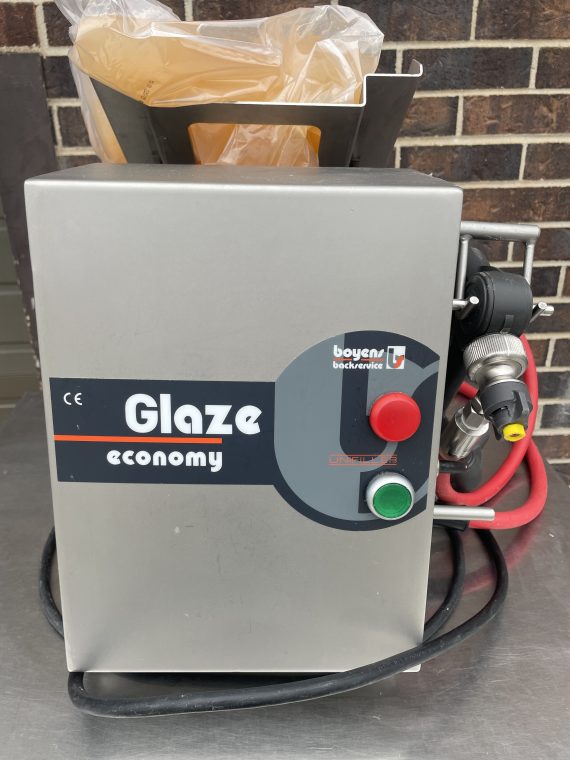
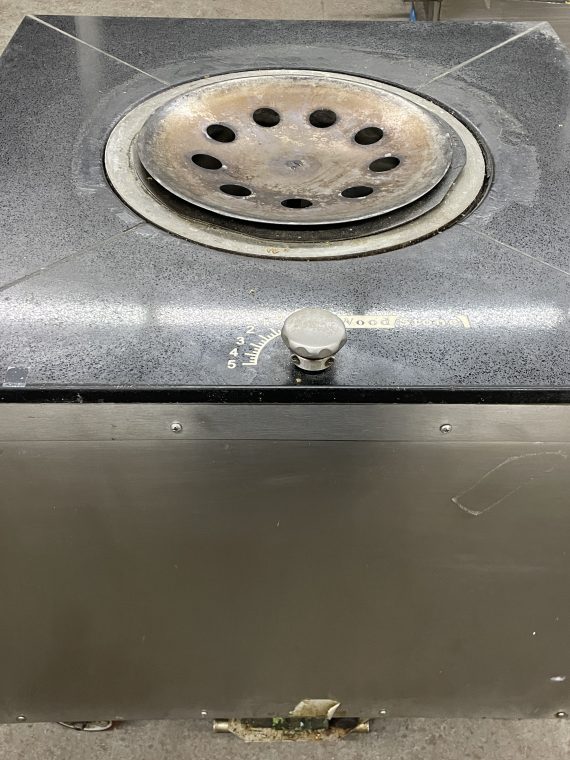
Check some of the newest products in our inventory
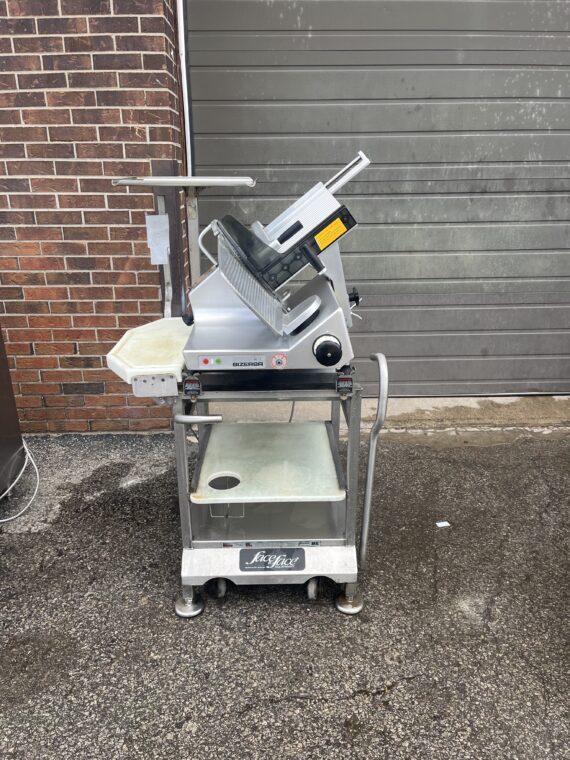
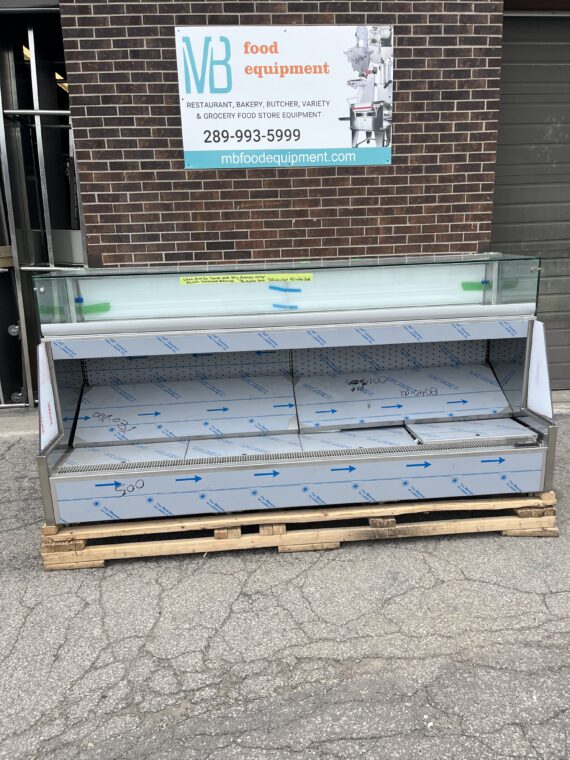
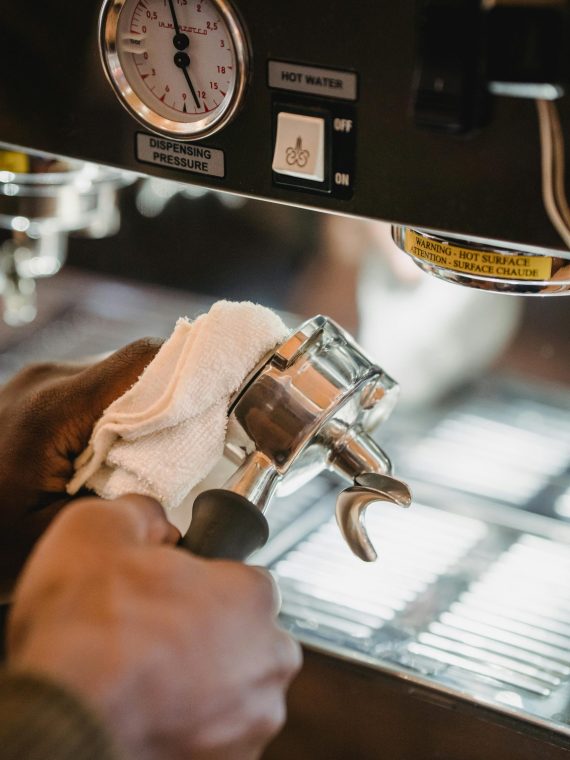
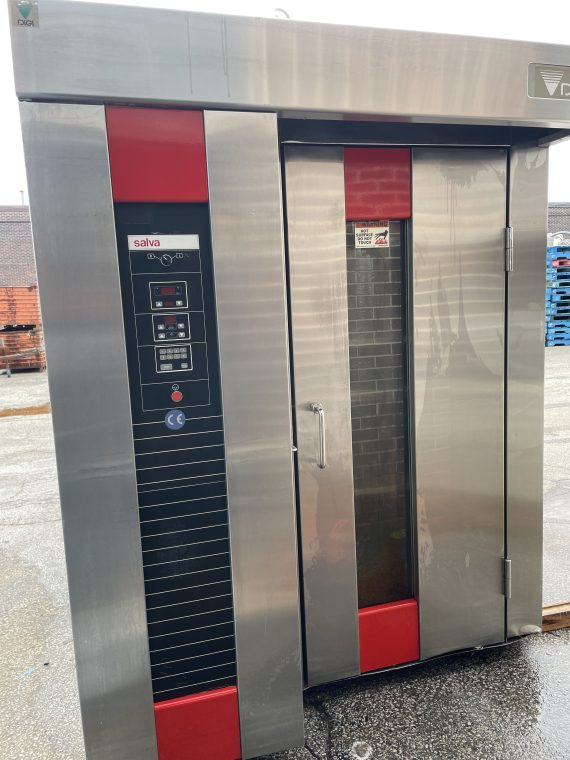
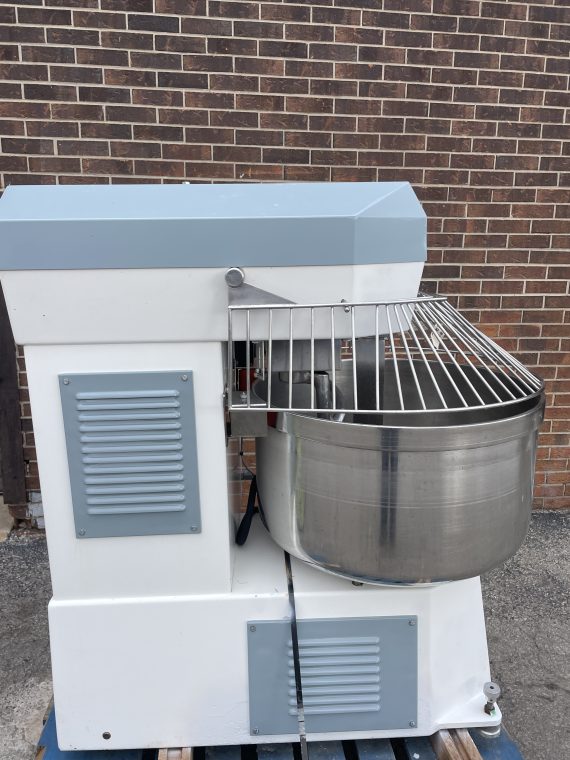
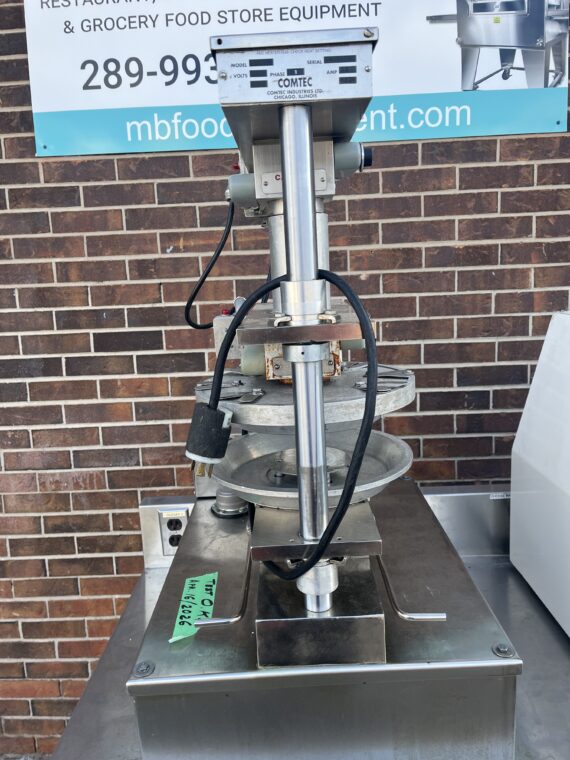
Contact Us
If you have any questions about our inventory or product details please give us a call or fill out the contact form and one of our sale managers will contact you.
Phone: (289) 993-5999
Phone: (289) 938-9348
Monday: 9 am – 5 pm
Tuesday: 9 am – 5 pm
Wednesday: 9 am – 5 pm
Thursday: 9 am – 5 pm
Friday: 9 am – 5 pm
Saturday: 9 am – 5 pm
Sunday: closed, by appointment only
After hours – by appointment
Contact form
Food Equipment For Sale
Food equipment for sale refers to commercial-grade machines and appliances designed for food service operations, ranging from refrigeration units to preparation tables, ovens, and specialized bakery gear. Whether you are opening your first cafe in Oakville or upgrading an established restaurant across the Greater Toronto Area, understanding your options helps you make decisions that balance quality, cost, and operational needs.
Starting or expanding a food business requires significant capital investment. New commercial equipment often carries price tags that strain startup budgets and cash flow for growing operations. This is where the market for quality used equipment becomes invaluable. MB Food Equipment specializes in sourcing, inspecting, and selling used commercial kitchen and food service machines throughout Oakville and the surrounding region. They work with restaurant owners, bakery operators, ice cream shop proprietors, butchers, and grocery managers who need dependable equipment without the premium cost of brand-new inventory.
Why Oakville and GTA Food Businesses Turn to Used Equipment
Purchasing used commercial gear is a practical business decision, not a compromise on quality. Many items are replaced due to business closures, renovations, or upgrades-not because they are worn out. Equipment sourced from reputable establishments often has years of reliable operation remaining.
For entrepreneurs in Oakville launching their first food venture, the cost difference is substantial. A commercial refrigerator or freezer can cost tens of thousands of dollars new; the same unit with proper maintenance history might cost a fraction of that price on the secondary market. This savings allows you to allocate resources to other critical areas: hiring staff, marketing, securing a lease, and building your customer base.
Established operations benefit equally. Restaurants undergoing renovations, cafes expanding their menu, and butcher shops upgrading their prep areas all face equipment decisions. Rather than waiting months for new orders or overextending capital, purchasing used items from a trusted local supplier like MB Food Equipment means faster installation and less disruption to daily service.
The secondary market for commercial food equipment is not a discount bin of damaged goods-it is a practical source of quality machinery sourced from businesses making deliberate upgrades or changes.
Types of Equipment Available and What To Look For
Understanding the categories of equipment you might need helps you prioritize your search and budget.
Refrigeration and Cold Storage: commercial freezers and refrigerators are among the most critical-and most expensive-items in any food operation. These units must maintain precise temperatures and operate reliably every single day. MB Food Equipment stocks refrigeration units suitable for front-of-house display, back-of-house prep, and walk-in installations. Because refrigeration equipment is built to withstand years of heavy use, a well-maintained unit with five or ten years of life already logged can deliver another decade of service.
Cooking and Prep Equipment: Ovens, ranges, griddles, fryers, and prep tables form the backbone of kitchen workflow. Used versions of these items are widely available because many businesses rotate equipment as their menus or production volumes change. A bakery expanding into savory breads might sell off pastry-specific equipment. A cafe modernizing its coffee station might have perfectly functional older espresso machines or milk steamers available.
Specialized Food Equipment: Bakeries need dough mixers, dividers, and proofing cabinets. Butcher shops require meat slicers, grinders, and specialized cutting surfaces. Ice cream and gelato operations need specific freezer and display units. Grocery stores and delis need slicing equipment and display refrigeration. MB Food Equipment sources these specialized items throughout Oakville and the GTA, understanding that each food business type has distinct equipment needs.
What to evaluate when considering used equipment:
- Operational history-how long it has been in service and what type of operation it came from
- Maintenance records-whether the previous owner tracked service and repairs
- Physical condition-cleanliness, visible wear, and functional testing before purchase
- Warranty or guarantee period, if available
- Delivery and installation support, since commercial equipment often requires professional setup
How to Source Equipment in Oakville and the Greater Toronto Area
The process of finding the right used equipment differs from shopping for new gear. You cannot always order exactly what you want with a two-week delivery date. Instead, you work with suppliers who maintain rotating inventory and help you navigate available options.
MB Food Equipment operates a showroom where you can view inventory in person. This matters because seeing equipment firsthand-checking door seals on refrigerators, testing range burners, inspecting gaskets and hinges-builds confidence in your purchase. Purchasing commercial equipment sight unseen carries unnecessary risk. A local showroom in Oakville eliminates that concern.
The business also offers fast delivery across the Greater Toronto Area. Logistics and installation are often overlooked until the moment equipment arrives, but they are critical. A heavy walk-in cooler or a large oven cannot be dropped at your back door. Professional delivery, proper placement, and connection to utilities require coordination. MB Food Equipment handles these details, reducing the stress of bringing new-to-you equipment online.
Another dimension of their service is purchasing used equipment from your business. If you are upgrading or closing a location, you do not need to arrange your own sale or absorb the cost of removing equipment. MB Food Equipment will evaluate what you have and offer fair market value, handling logistics and payment so you can focus on your operation.
Practical Steps for Purchasing Used Food Equipment
Before you start shopping, clarify your needs and constraints.
- Measure your space. Commercial equipment is large and heavy. Know your doorways, hallways, and final placement location. Bring diagrams or photos if possible. A refrigerator that is perfect for another kitchen might not fit through your back entrance.
- Verify your utilities. Large cooking equipment needs proper gas or electrical connections. Walk-in coolers require dedicated electrical circuits and adequate drainage. Confirm your facility can support what you want to buy before you commit.
- Set a realistic budget. Used equipment costs less than new, but plan for installation, any needed repairs, and a modest contingency. Do not stretch so tight that an unexpected service call creates a crisis.
- Prioritize by operational criticality. If a piece of equipment fails, how much does it hurt your business? Refrigeration and cooking equipment deserve more scrutiny than storage shelves. Invest more attention and resources in items you depend on daily.
- Ask questions about history and condition. Reputable suppliers like MB Food Equipment will provide honest information about where equipment came from, how it has been used, and what condition it is in. If a supplier is evasive, that is a red flag.
- Understand any guarantees or support. Some used equipment comes with a limited warranty or period of support. Clarify what happens if something fails in your first weeks of ownership.
Building a Relationship With Your Equipment Supplier
Buying equipment is not a one-time transaction for most food businesses. As you grow, renovate, or adapt your menu, you will need more equipment. Seasonal businesses might store equipment and retrieve it annually. Operations that expand often cycle through multiple upgrades over several years.
Working with MB Food Equipment in Oakville means having a local partner who understands your market, knows your facility, and can source equipment efficiently. They are familiar with the types of businesses operating in the area-the cafes along Lakeshore Road, the bakeries and butcher shops in the downtown core, the grocery operations serving the community. This familiarity translates into better advice and faster sourcing.
Whether you run a small gelato shop, manage a busy restaurant, operate a butcher counter in a grocery store, or oversee a cafe kitchen, reliable equipment is essential to your success. MB Food Equipment provides that reliability at prices that make sense for your business. Contact them to discuss your current needs and explore what they have in stock. They work with food business owners of every size and stage-from first-time entrepreneurs to established operations making strategic upgrades.
Frequently Asked Questions
What types of businesses does MB Food Equipment serve in Oakville?
MB Food Equipment serves restaurants, cafes, bakeries, butcher shops, ice cream and gelato businesses, and grocery stores throughout Oakville and the Greater Toronto Area. Whether you are a food entrepreneur starting your first venture or an established operation upgrading equipment, they source and deliver commercial-grade machines suited to your specific operation.
How much can I save by purchasing used food equipment instead of new?
Savings on used commercial equipment typically range from 30 to 50 percent compared to new prices, depending on the item's age, condition, and previous use. A commercial refrigerator or freezer that costs $15,000 to $25,000 new might be available used for $8,000 to $12,000, making the secondary market particularly attractive for startups and cost-conscious businesses.
Where can I view used restaurant equipment before buying in Oakville?
MB Food Equipment operates a showroom in Oakville where you can view their current inventory in person. Seeing equipment firsthand-testing operational features, checking seals and hinges, and verifying physical condition-builds confidence in your purchase before delivery and installation.
Does MB Food Equipment deliver equipment across the Greater Toronto Area?
Yes, MB Food Equipment provides fast delivery and professional installation throughout the Greater Toronto Area. They handle logistics, placement, and utility connections so your equipment is ready to use when it arrives at your location.
What if my business is upgrading or closing-will MB Food Equipment buy my used equipment?
MB Food Equipment purchases used equipment from businesses at fair market value. If you are renovating, expanding, or closing a location, they will evaluate what you have and handle the sale, removal, and payment, allowing you to focus on your operation.
How do I know if used equipment will be reliable for my restaurant or cafe?
Reputable suppliers like MB Food Equipment provide information about each item's operational history, maintenance records, and condition. View the equipment in person if possible, ask detailed questions about its previous use, and confirm any warranty or support period before purchase.
What should I measure before buying used commercial equipment in Oakville?
Measure doorways, hallways, and the final placement location in your kitchen or food service area. Bring diagrams or photos when discussing equipment with suppliers, and verify that your facility has adequate utilities-proper electrical circuits, gas connections if needed, and drainage-to support the equipment you want to purchase.