


loc
Visit us in our warehouse in Oakville, ON, or call us today to find out how MB Food Equipment can help serve your needs.
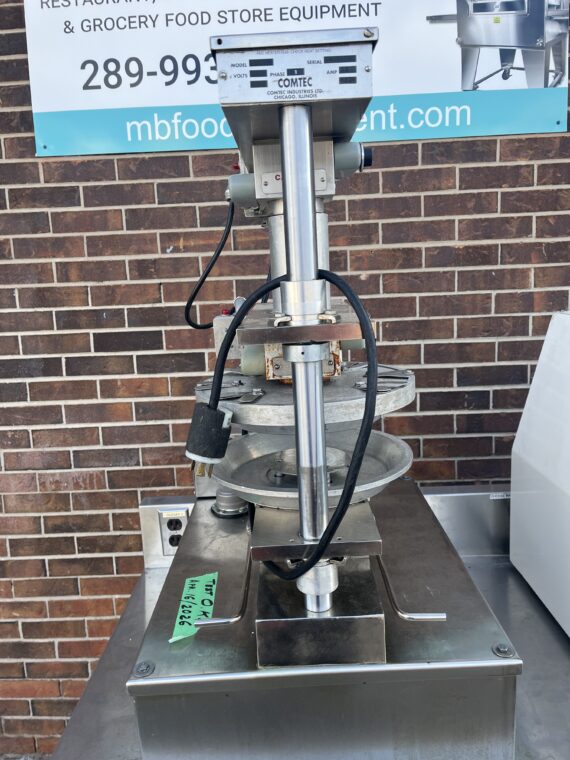
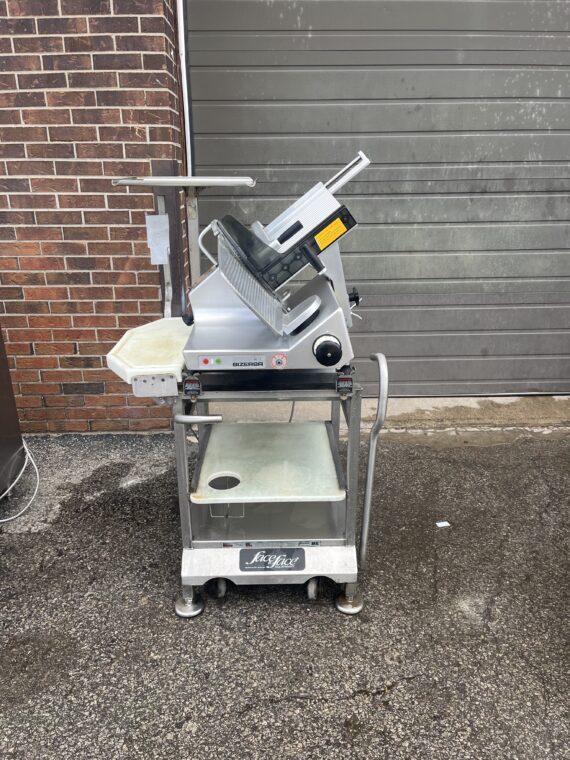
Feel free to browse our used food equipment inventory.
Our Products
In our showroom you will find only quality products from famous brands.
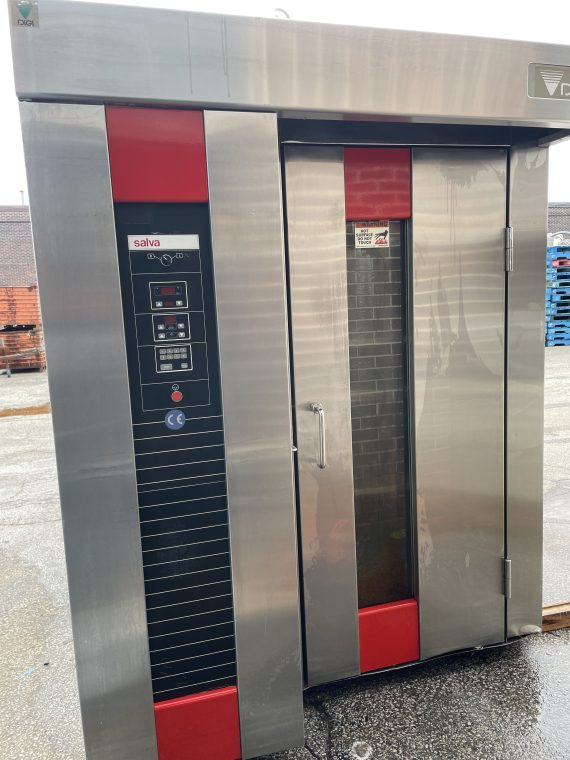
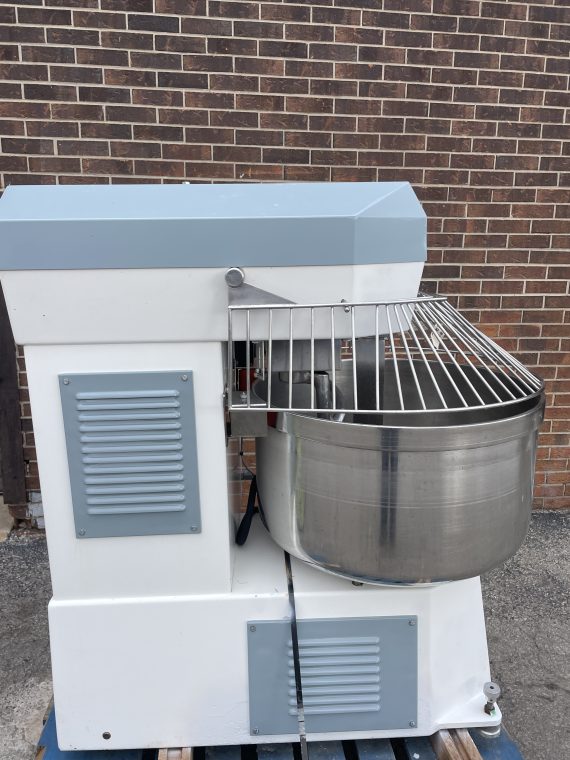
Newest Added Items
Check some of the newest products in our inventory
Contact Us
If you have any questions about our inventory or product details please give us a call or fill out the contact form and one of our sale managers will contact you.
Phone: (289) 993-5999
Phone: (289) 938-9348
Monday: 9 am – 5 pm
Tuesday: 9 am – 5 pm
Wednesday: 9 am – 5 pm
Thursday: 9 am – 5 pm
Friday: 9 am – 5 pm
Saturday: 9 am – 5 pm
Sunday: closed, by appointment only
After hours – by appointment
Contact form
Commercial Freezers And Refrigerators Oakville
Choosing commercial freezers and refrigerators in Oakville means finding equipment that keeps your food safe, fits your space, and stays within budget-and MB Food Equipment helps you do exactly that. Whether you run a restaurant, bakery, cafe, or grocery operation in the Greater Toronto Area, the right refrigeration setup is foundational to your business. This guide walks you through the decision-making process so you can select equipment that matches your actual needs, not just what sounds impressive.
By the end of this guide, you will understand how to assess your cooling capacity requirements, evaluate the physical fit for your kitchen or sales floor, compare equipment options, and make a confident purchase that supports your operation for years to come.
Step 1: Calculate Your Actual Cooling Capacity Needs
Start by determining how much refrigerated or frozen storage you genuinely need. This is not about guessing-it is about measuring your inventory turnover and peak demand. Count the volume of ingredients, prepared foods, or products you store at any given time, then add 20 to 30 percent as a safety buffer. This buffer exists because equipment runs more efficiently when not packed to maximum capacity, and you need room for seasonal fluctuations or unexpected stock increases.
Think of cooling capacity like a water tank: if you fill it completely every day, it works harder, wears faster, and costs more to operate. A properly sized unit cycles on and off normally, maintaining temperature with less strain. Many food businesses in Oakville find that they need separate refrigeration for different product types-one unit for dairy and prepared foods (typically 36-40 degrees Fahrenheit), another for frozen items (0 degrees Fahrenheit or below). MB Food Equipment carries both standard and specialized units, so you can match capacity to actual use rather than buying one oversized unit that wastes energy.
Step 2: Measure Your Available Space and Plan the Layout
Physical space drives equipment selection more than most people realize. Measure the width, depth, and height of the area where refrigeration will go, accounting for door swing clearance, air circulation space behind and above the unit, and access for cleaning. Note any obstacles like shelving, countertops, or walls that limit placement options. Restaurants and bakeries in Oakville often work with tight kitchen layouts, so knowing your exact space prevents costly mistakes like ordering a unit that does not fit through the door or blocks workflow.
Consider traffic flow too. If your refrigerator sits between the prep area and the cooking line, staff will open it dozens of times daily, and every opening releases cold air. If a freezer blocks access to your main work surface, it creates frustration and lost productivity. Walk through your kitchen during service and imagine where cold storage would make sense operationally. used restaurant kitchen equipment often offers flexibility because you can find compact units, undercounter models, or reach-in designs that fit challenging spaces better than new equipment forced into standard configurations.
Step 3: Choose Between Reach-In, Walk-In, and Undercounter Models
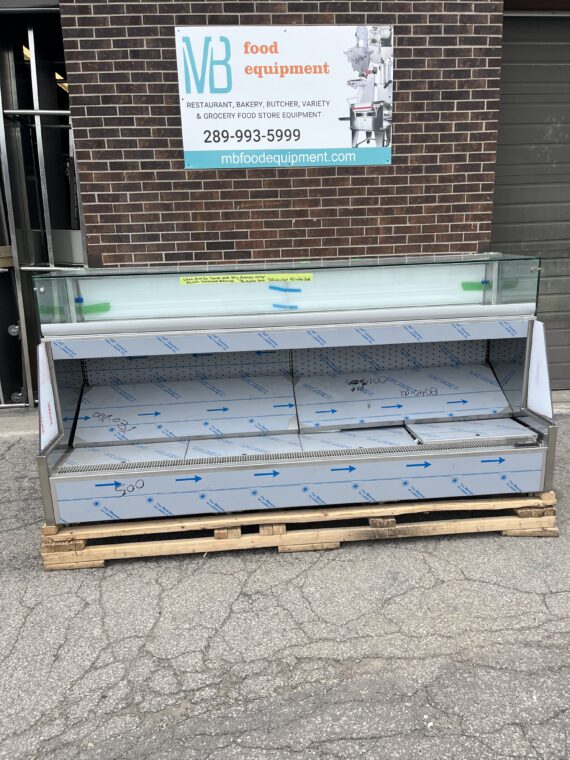
Equipment type depends on your workflow and space. Reach-in refrigerators and freezers have doors you open to grab items-they are ideal for quick access and work well in limited spaces. A typical reach-in holds 25 to 50 cubic feet and fits against a wall or under a counter. Walk-in coolers or freezers are larger rooms you actually enter-they are perfect for high-volume storage and work best if you have 8 by 10 feet or more of available floor space. Undercounter units slide under work surfaces, saving floor space while keeping frequently used items within arm's reach.
Bakeries and ice cream shops in the Greater Toronto Area often prefer reach-in units for display or quick-grab access, while full-service restaurants typically need walk-ins for bulk storage. Grocery operations and butcher shops may use a combination: walk-in storage in the back, reach-in display units on the sales floor. MB Food Equipment stocks all three types, and their experience helps you match the model to your actual operation rather than defaulting to whatever is most common.
Step 4: Evaluate Energy Efficiency and Operating Costs
A lower purchase price means nothing if the unit costs twice as much to run. Check the energy rating or kilowatt usage if available-newer used equipment is significantly more efficient than older models. A well-maintained unit from a reputable manufacturer often runs more reliably and costs less per month than a cheaper unit with uncertain history.
Operating cost roughly breaks down this way: a small reach-in unit runs 15 to 25 dollars per month in electricity, while a walk-in cooler might run 50 to 100 dollars per month depending on size, insulation, and how often doors open. Over five years, that difference compounds dramatically. Businesses in Oakville that switch from aging equipment to reliable used units often see energy savings that offset the purchase cost within two to three years. Ask MB Food Equipment about the maintenance history and specifications of any unit you are considering-that transparency helps you calculate true lifetime cost, not just sticker price.
Step 5: Inspect Condition and Verify Functionality
Used equipment requires careful inspection. Look for rust, dents, or corrosion on the exterior and interior surfaces. Check that temperature controls respond smoothly and that the compressor (the motor that produces cold) runs without loud grinding or rattling sounds. Open doors and check that seals are intact and close tightly-a leaking seal is a slow drain on efficiency that becomes expensive over time.
If possible, ask the supplier to run the unit for you and verify it reaches proper temperature. A refrigerator should hit 40 degrees Fahrenheit within a few hours; a freezer should reach 0 degrees or below. Listen for excessive noise. A slight hum is normal; loud vibration or clunking is a warning sign. MB Food Equipment inspects their inventory before sale, so you are buying equipment they have verified, not mystery equipment from an unknown source. That accountability matters when you are building a business.
Step 6: Plan Delivery and Installation
Larger equipment needs professional installation. Check whether the supplier handles delivery and setup, because moving a walk-in cooler or heavy reach-in unit yourself creates safety and equipment damage risks. Smaller undercounter or compact reach-in units sometimes can go directly into place, but refrigeration often requires leveling, electrical connection, and a few hours to stabilize temperature after moving.
Ask about delivery timeframe too. If your equipment fails mid-week, you need replacement quickly. MB Food Equipment operates from Oakville and serves the Greater Toronto Area, which means faster turnaround than distant suppliers. Knowing they have showroom inventory and can arrange fast delivery matters when your business depends on cold storage.
The best equipment purchase is one that matches your actual workflow, fits your space, and runs reliably for years. Used does not mean uncertain-it means smart shopping when you choose a trusted source.
Step 7: Compare Total Cost and Make Your Decision
Spreadsheet out the numbers: purchase price plus estimated monthly operating cost times how long you plan to keep the unit. Add any delivery or installation fees. Compare that total against equipment that would serve the same purpose. A lower-priced unit that fails in eighteen months costs far more than a reliable used unit from a reputable source that runs for five or six years.
Cost-conscious food entrepreneurs and established operations alike find that buying used commercial refrigeration equipment from MB Food Equipment delivers the reliability they need without the capital burden of new equipment. They also purchase used equipment from businesses that are closing or upgrading, so if you ever decide to replace or expand, there is an option for fair-value buyback rather than just discarding old units.
Once you have settled on the type, size, and condition of equipment that fits your business, reach out to MB Food Equipment in Oakville. They stock used commercial refrigeration across the Greater Toronto Area and can walk you through options, answer questions about specific units, and arrange delivery when you are ready. Your food business runs on reliable cold storage-choose it thoughtfully.
Frequently Asked Questions
What size commercial refrigerator do I need for my restaurant in Oakville?
Size depends on your inventory volume and turnover rate. Calculate how much refrigerated food you store at peak times, then add 20-30 percent buffer. A small cafe might need one 27-cubic-foot reach-in unit; a full-service restaurant often needs multiple reach-ins or a walk-in cooler. MB Food Equipment can help you right-size equipment based on your actual menu and customer volume.
How much does a used reach-in refrigerator cost near Oakville?
Pricing varies by age, size, condition, and manufacturer, but used reach-in units typically cost 30-50 percent less than new equivalents. MB Food Equipment carries a range of inventory and can show you options at different price points with transparent condition and energy ratings.
Is it safe to buy used food service refrigeration equipment?
Yes, when you buy from a reputable supplier. Used does not mean unsafe-it means equipment that has been inspected, verified to reach proper temperatures, and maintained to food-safe standards. MB Food Equipment inspects all inventory before sale and sources from known manufacturers, so you get reliability without the new-equipment price.
Can MB Food Equipment deliver and install equipment in the Greater Toronto Area?
Yes. MB Food Equipment operates from Oakville and offers fast delivery and installation services across the Greater Toronto Area. They handle the logistics so your equipment arrives safely and ready to use.