


loc
Visit us in our warehouse in Oakville, ON, or call us today to find out how MB Food Equipment can help serve your needs.
Feel free to browse our used food equipment inventory.
Our Products
In our showroom you will find only quality products from famous brands.
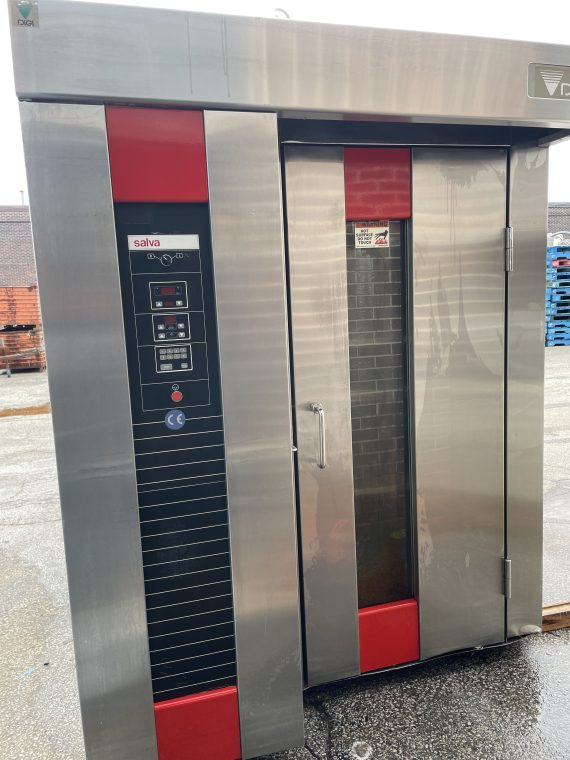
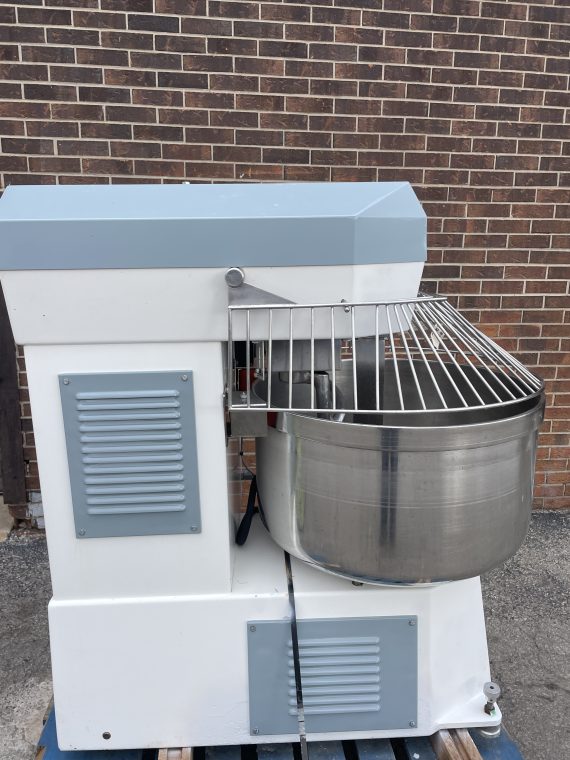
Newest Added Items
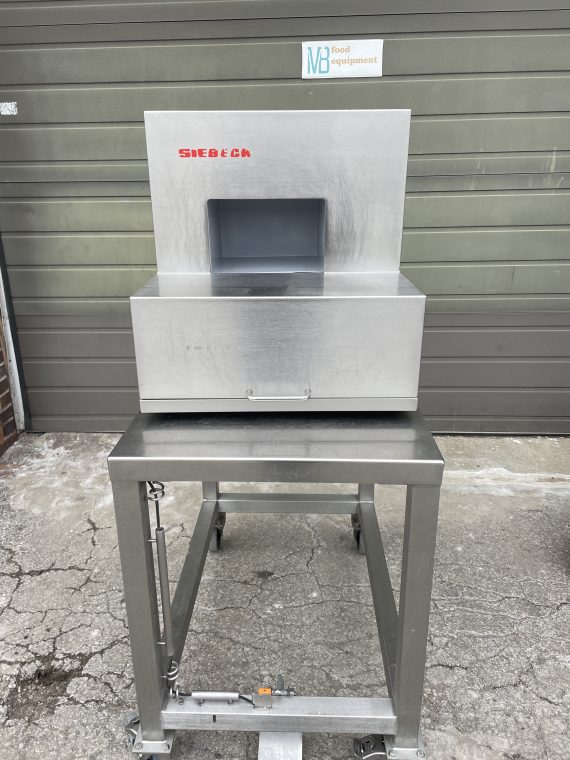
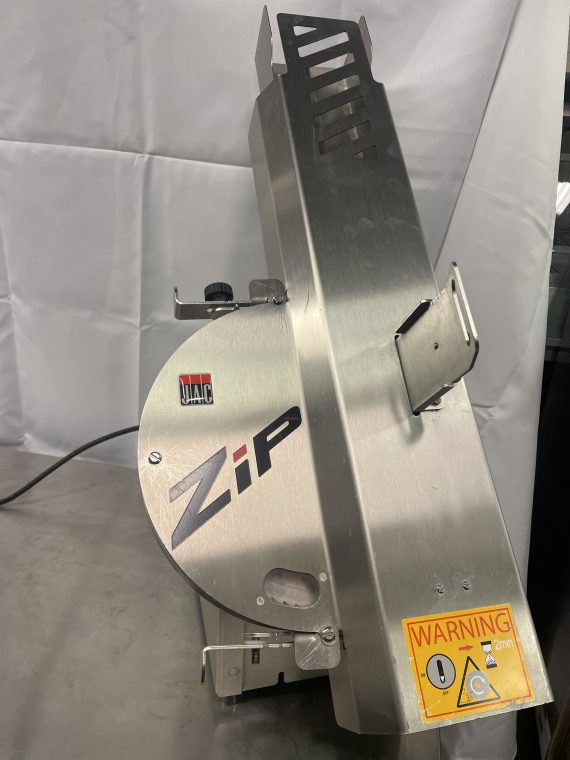
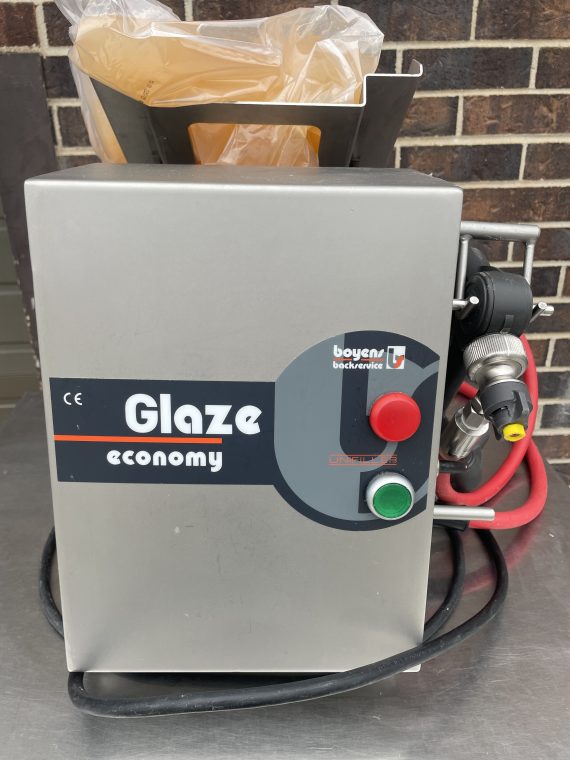
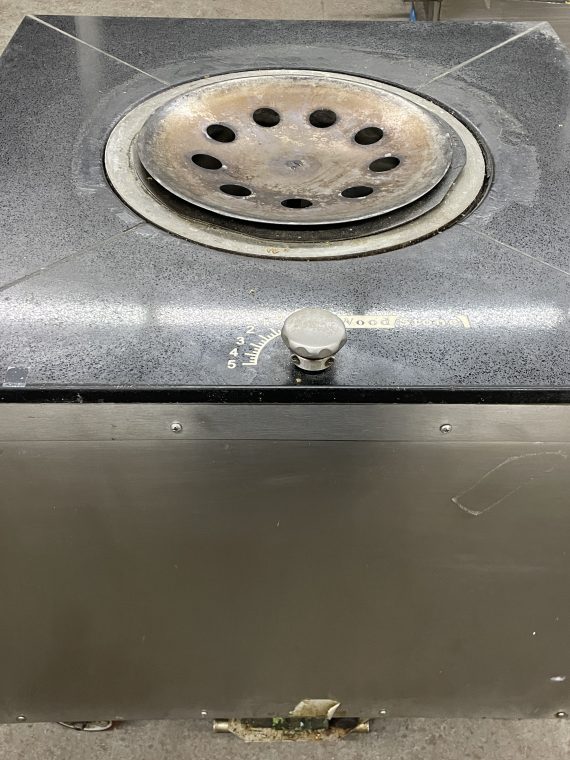
Check some of the newest products in our inventory
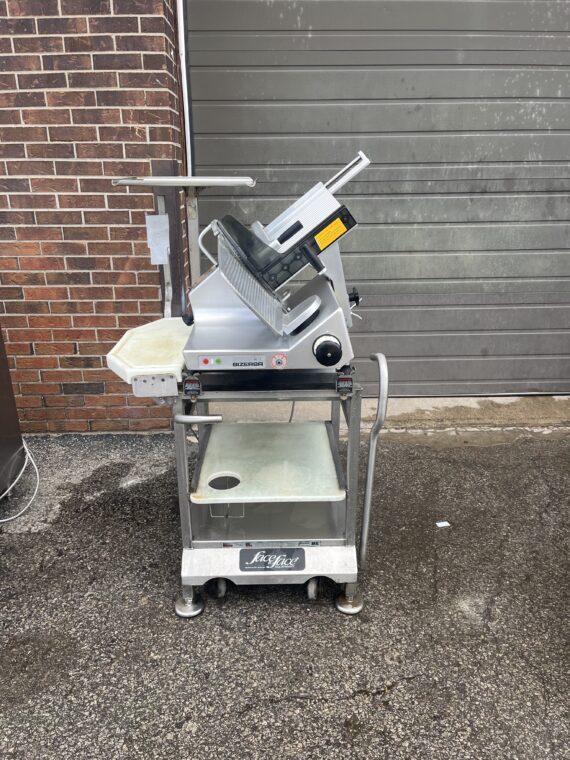
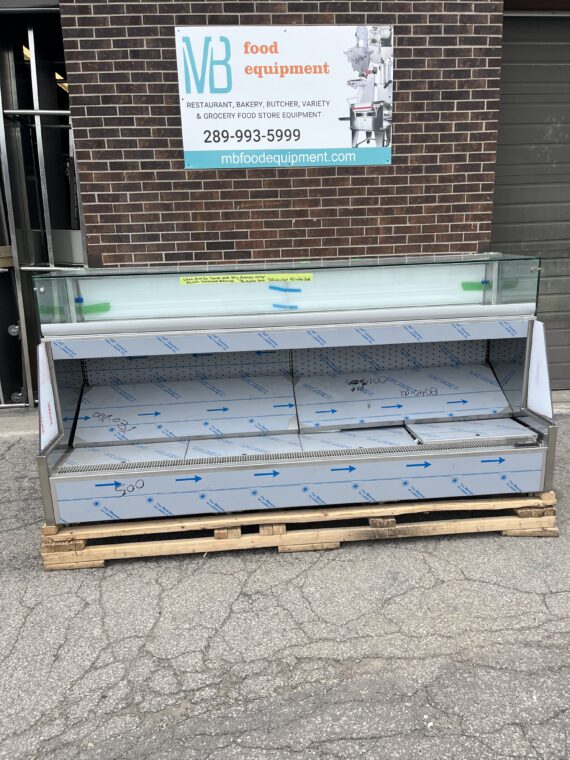
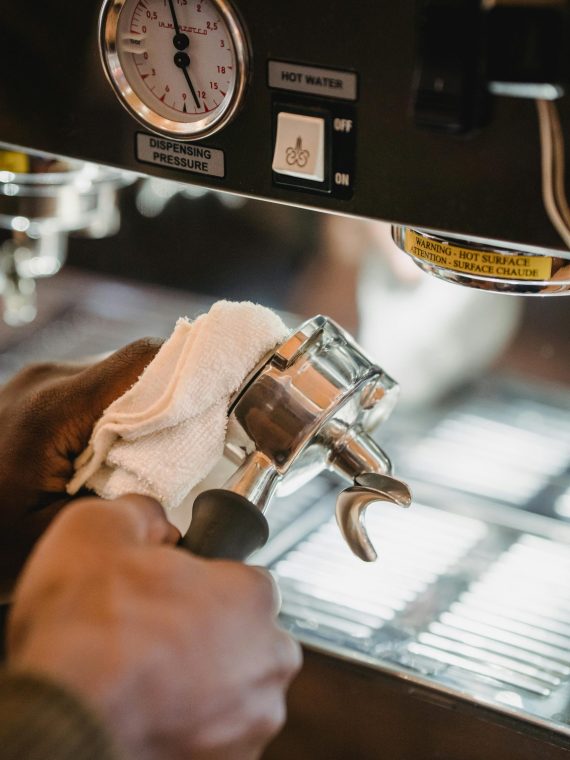
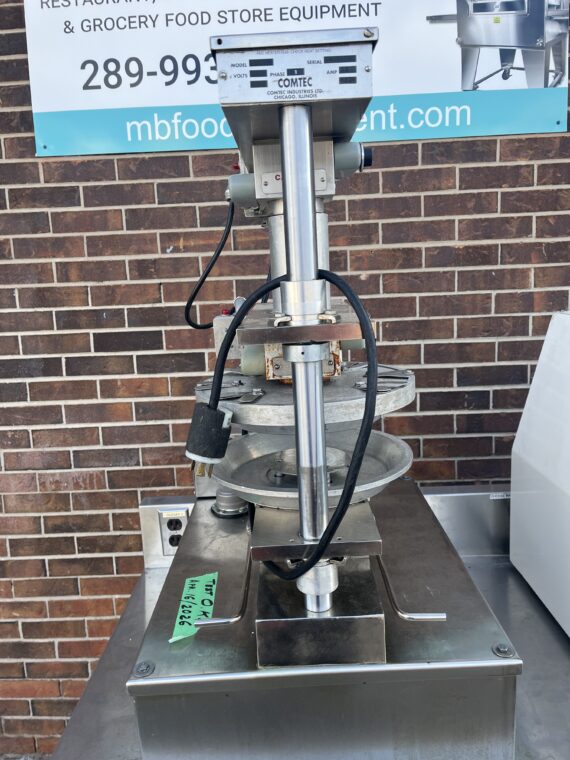
Contact Us
If you have any questions about our inventory or product details please give us a call or fill out the contact form and one of our sale managers will contact you.
Phone: (289) 993-5999
Phone: (289) 938-9348
Monday: 9 am – 5 pm
Tuesday: 9 am – 5 pm
Wednesday: 9 am – 5 pm
Thursday: 9 am – 5 pm
Friday: 9 am – 5 pm
Saturday: 9 am – 5 pm
Sunday: closed, by appointment only
After hours – by appointment
Contact form
Food Equipment For Sale Ottawa
Finding food equipment for sale in Ottawa requires a systematic approach to ensure you source reliable, competitively priced inventory that meets your operational needs. Whether you are opening a new cafe, replacing failed refrigeration, or upgrading a butcher shop, the process involves identifying reputable suppliers, assessing equipment condition, understanding specifications, and negotiating delivery logistics. MB Food Equipment serves Ottawa and the Greater Toronto Area with a focused inventory of used commercial equipment sourced from established manufacturers, offering both showroom sales and fast delivery options.
This guide walks you through each stage of acquiring used food service equipment, from initial needs assessment through final installation, so you can make confident purchasing decisions while controlling capital expenditure.
Step 1: Define Your Equipment Requirements and Space Constraints
Before contacting suppliers in Ottawa, document exactly what equipment you need, including type, capacity, and physical dimensions. Write down the specifications: if you need commercial refrigeration, note whether you require reach-in units, walk-in coolers, or specialized display cases. For kitchen equipment, distinguish between prep tables, cooking surfaces, hood systems, or specialized bakery apparatus. Measure your available space in inches, accounting for ventilation clearance, door swing, and utility access.
Create a prioritized list separating critical equipment-items that directly impact operations like refrigeration or cooking surfaces-from convenience upgrades. This clarity prevents overspending on non-essential items and helps suppliers like MB Food Equipment understand your budget and timeline. If you are unsure about specifications, photograph your space and bring this information when visiting a showroom; experienced suppliers can recommend equipment dimensions and configurations that fit your layout.
Step 2: Research Established Suppliers with Local Presence
Identify suppliers who maintain physical showroom locations in Ottawa or nearby areas and have verifiable experience with commercial food service equipment. A showroom allows you to inspect equipment in person, test operational functions, and confirm condition before commitment. Suppliers with longevity and customer references have proven their reliability; ask how long they have been in business and request contact information from recent customers.
Confirm that suppliers offer the specific equipment category you need. Some specialize in commercial refrigeration, others in bakery or butcher equipment, and established operations often maintain inventory across multiple categories. MB Food Equipment, based in Oakville and serving Ottawa and the Greater Toronto Area, stocks used equipment from recognized manufacturers and purchases used units from businesses, meaning their inventory reflects real-world equipment that has proven performance history.
Step 3: Inspect Equipment Condition and Verify Operational Status
When you examine equipment, move beyond appearance. For refrigeration units, verify that compressors start smoothly, temperature holds stable at target settings, and gaskets seal tightly around doors. Listen for unusual noise from fan motors. Check that shelving is secure, interior surfaces are clean and undamaged, and drain systems function. Request documentation of any recent service or repairs. For cooking equipment, test burners, ovens, griddles, and exhaust hoods while present. Open and close drawers; inspect welds and hinges for stress cracks.
Ask suppliers to demonstrate full operational status before purchase. Reputable suppliers in Ottawa will run equipment for you and explain any known wear patterns or previous repairs. Request an honest assessment of remaining useful life; a unit with five years of solid operation ahead is a different value proposition than one approaching end-of-life. Photograph or video record the inspection if the supplier permits, creating your own reference for later comparison or warranty discussions.
Step 4: Understand Equipment Age, Manufacturer, and Parts Availability
Equipment from established manufacturers-recognized names in the industry-holds value and support far longer than off-brand units. When evaluating a specific piece, identify the manufacturer nameplate, model number, and manufacture year. Cross-reference this information online or with the supplier to confirm parts availability and service support. Equipment manufactured within the last ten to fifteen years typically has accessible replacement parts and technician familiarity; much older equipment may face obsolescence issues.
Ask the supplier whether they can source replacement parts for the equipment you are considering and what typical lead times and costs look like. This matters especially for specialized bakery or butcher equipment, where component sourcing can be complex. Equipment from widely-distributed manufacturers is a safer choice for long-term operational reliability than rare or imported models with limited service networks.
Step 5: Compare Total Cost of Ownership, Not Just Purchase Price
Used equipment costs substantially less upfront than new, typically ranging from thirty to sixty percent of new equipment value depending on age and condition. However, consider total ownership cost: delivery charges, installation requirements, utility connection (gas, electrical, water/drain), and anticipated maintenance or repair within the first two years. A lower-priced unit may require five hundred dollars in recalibration or gasket replacement shortly after purchase, shifting its effective cost.
Used equipment from reliable suppliers in Ottawa can deliver five to eight years of operational life at a fraction of new equipment cost, provided you verify condition, confirm parts availability, and budget for professional delivery and setup.
Request itemized pricing that separates equipment cost from delivery, installation, and any service checks the supplier provides. Delivery logistics in Ottawa vary by location; a unit delivered to downtown differs in cost and complexity from one going to a suburban location. Understanding these components lets you compare competing options accurately and forecast true capital expenditure.
Step 6: Verify Delivery Capability and Installation Requirements
Used food service equipment requires proper delivery to arrive in working condition. Confirm that your chosen supplier offers delivery service to Ottawa and understands the logistics: doorway clearance, floor load capacity, utility connection points, and removal of your existing equipment if applicable. Some delivery services include basic installation and positioning; others require you to arrange installation separately with a certified technician.
For equipment requiring utility connections-gas lines for cooking surfaces, electrical for refrigeration, water and drain for ice makers or cleaning stations-confirm whether the supplier includes connection or refers you to a licensed contractor. Budget for these services; professional installation ensures equipment operates safely and maintains any warranty coverage. Suppliers serving Ottawa should provide clear communication about delivery windows, damage responsibility, and setup expectations.
Step 7: Document Purchase Terms and Post-Purchase Support
Before finalizing purchase, confirm what you receive: the equipment itself, documentation (user manuals or service history if available), and any stated coverage or support. Clarify the supplier's return or exchange policy if equipment fails shortly after delivery; reputable suppliers stand behind their products. Request an itemized receipt specifying the exact model, serial number, condition notation, and any components or accessories included.
Ask whether the supplier offers expedited service access if problems arise within a defined window-this matters for critical equipment like refrigeration. MB Food Equipment and similar experienced suppliers understand that food service operations depend on equipment reliability, and they structure support accordingly. A brief conversation about post-purchase support sets expectations and demonstrates whether the supplier views their relationship with you as transactional or ongoing.
Once equipment arrives, inspect it against your original specifications and condition notes before the delivery team leaves. Test all operational functions while assistance is available. Photograph the unit in place as a baseline for comparison if issues emerge later. If problems appear within days, contact the supplier immediately; most food service suppliers have processes for rapid response because downtime directly impacts your revenue.
MB Food Equipment maintains a showroom in Oakville and serves customers throughout Ottawa and the Greater Toronto Area with a commitment to transparent sourcing and reliable service. If you are ready to source equipment or want to explore specific categories-used refrigeration units, kitchen prep surfaces, bakery or butcher specialized equipment-contact MB Food Equipment to discuss your needs and review current inventory.
Frequently Asked Questions
Where can I find used restaurant equipment suppliers in Ottawa?
Established suppliers with physical showroom locations are the most reliable option because they allow you to inspect equipment in person and verify condition before purchase. MB Food Equipment, based in Oakville and serving Ottawa and surrounding areas, maintains inventory of used commercial equipment and provides both showroom sales and delivery. Search for suppliers explicitly stating service to Ottawa rather than generic listings; local presence indicates commitment to customer access and support.
How much does used food service equipment typically cost in Ottawa?
Used food service equipment generally costs thirty to sixty percent less than new equipment, depending on age, manufacturer reputation, and condition. A used commercial refrigerator might cost two thousand to four thousand dollars versus six thousand to nine thousand new; used cooking equipment follows similar ratios. Total cost includes delivery and installation, which add five hundred to two thousand dollars depending on equipment type and location in Ottawa. Comparing total cost of ownership-not just purchase price-is essential for accurate budgeting.
What should I inspect when buying used commercial refrigeration equipment?
Verify that compressors start smoothly, the unit holds stable temperature at your target setting, door gaskets seal tightly, and there is no unusual noise from fans or motors. Open and close doors multiple times to confirm smooth operation. Check interior surfaces for damage and confirm drain systems function. Request demonstration while you are present and ask about recent repairs or service history. Reputable suppliers will run equipment and provide honest assessment of remaining operational life.