


loc
Visit us in our warehouse in Oakville, ON, or call us today to find out how MB Food Equipment can help serve your needs.
Feel free to browse our used food equipment inventory.
Our Products
In our showroom you will find only quality products from famous brands.
Newest Added Items
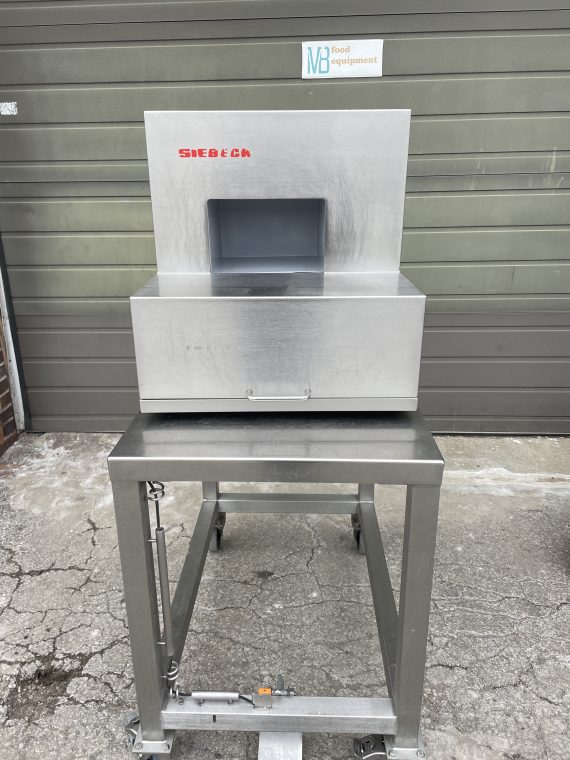
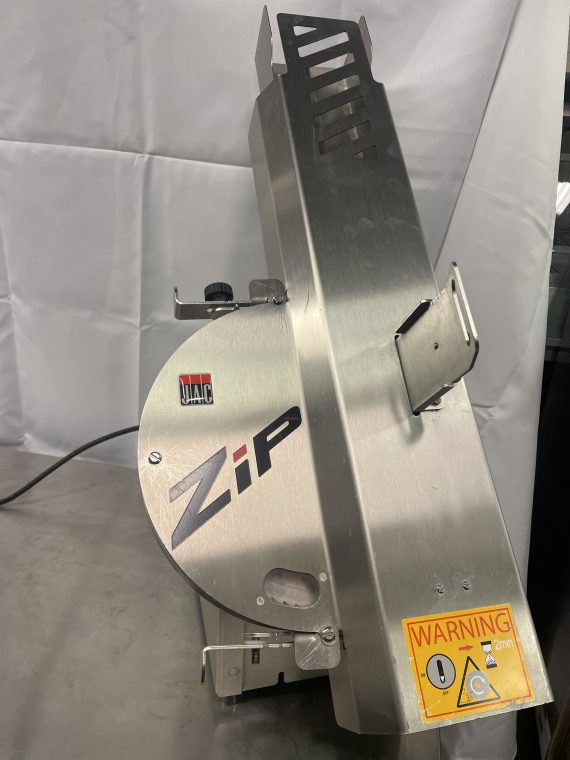
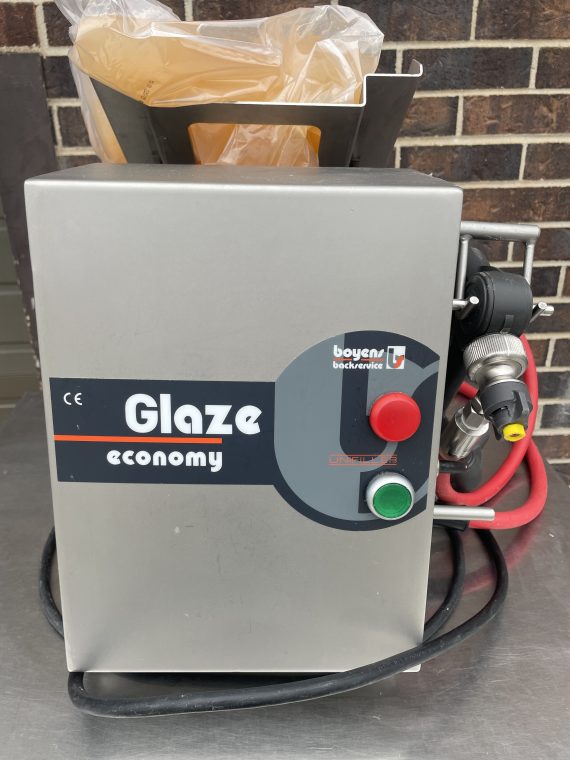
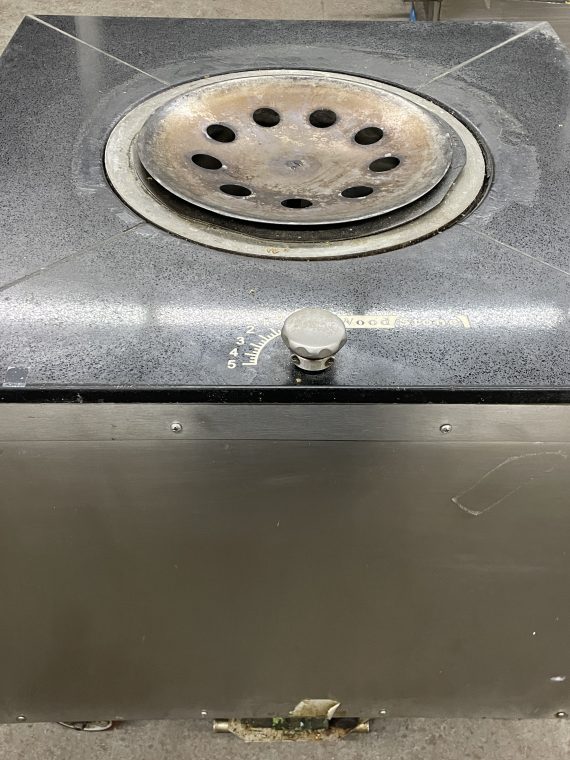
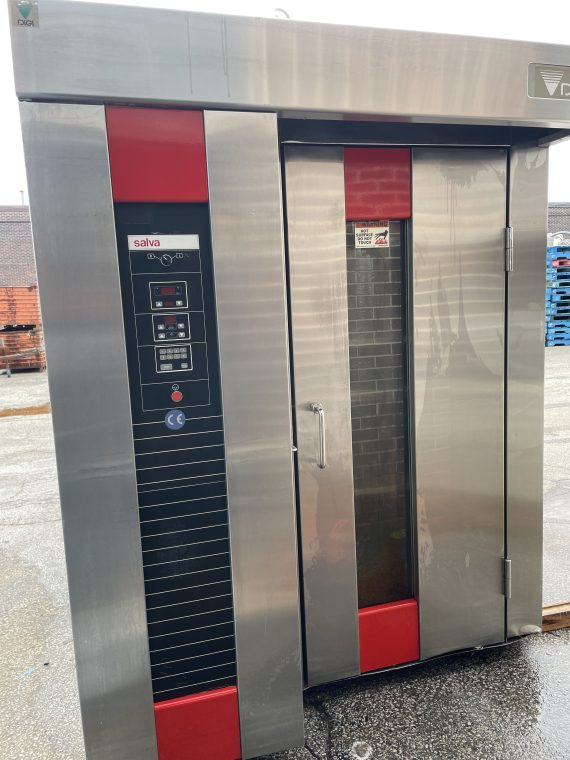
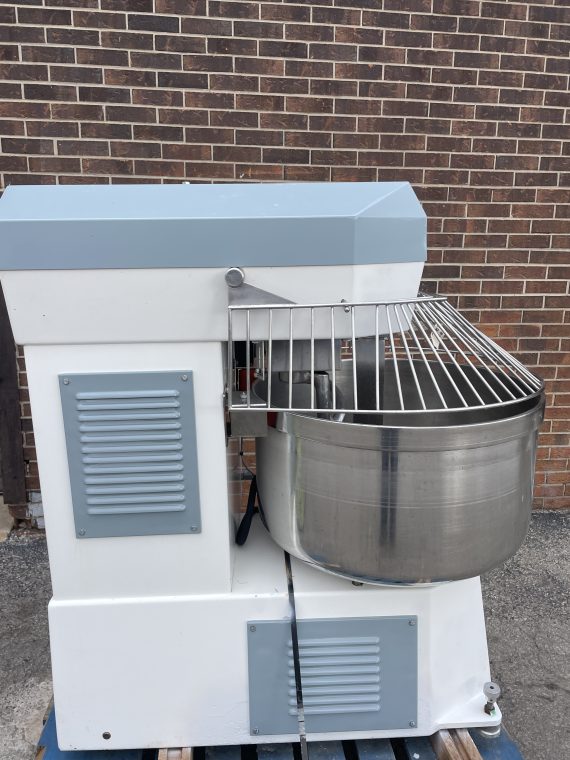
Check some of the newest products in our inventory
Contact Us
If you have any questions about our inventory or product details please give us a call or fill out the contact form and one of our sale managers will contact you.
Phone: (289) 993-5999
Phone: (289) 938-9348
Monday: 9 am – 5 pm
Tuesday: 9 am – 5 pm
Wednesday: 9 am – 5 pm
Thursday: 9 am – 5 pm
Friday: 9 am – 5 pm
Saturday: 9 am – 5 pm
Sunday: closed, by appointment only
After hours – by appointment
Contact form
Used Packaging Equipment Newmarket
Used packaging equipment in Newmarket represents a practical way for food businesses to acquire reliable machinery without the capital outlay of new units. MB Food Equipment supplies Newmarket operators and surrounding areas with competitively priced packaging solutions sourced from established manufacturers, helping bakeries, delis, ice cream shops, and food producers optimize their operations.
Newmarket sits strategically in York Region, serving as a distribution hub for food businesses across the Greater Toronto Area. Whether you're a established operator expanding capacity or a food entrepreneur launching your first venture, the equipment decisions you make directly affect production efficiency, product shelf life, and bottom-line margins. Understanding what's available in the used market, and how different equipment classes compare, positions you to make decisions aligned with your operational needs and budget constraints.
Types of Used Packaging Equipment Available in Newmarket
The used packaging equipment market in Newmarket encompasses several distinct categories, each serving different production stages and product types. MB Food Equipment maintains inventory across multiple classes, allowing operators to source complementary systems or single units depending on workflow requirements.
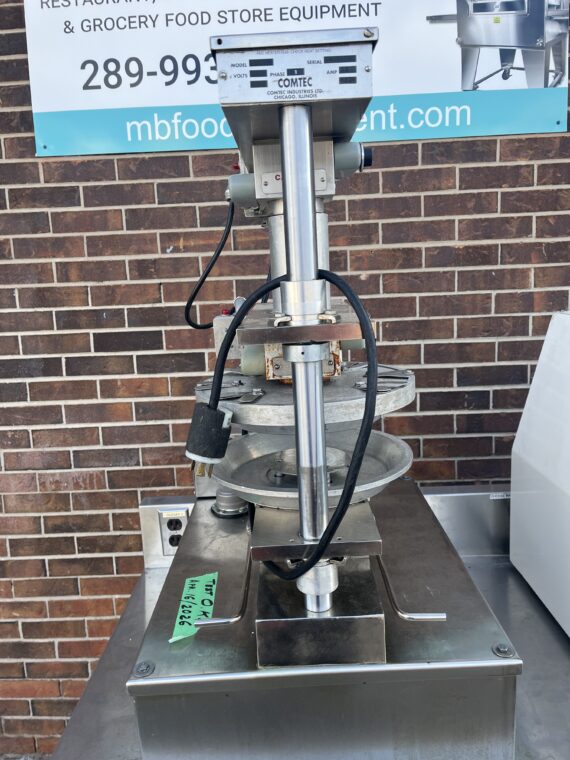
Vacuum sealing and heat-sealing machines represent the largest segment. These units remove air from pouches or apply thermal bonds to bag closures, extending shelf life for baked goods, prepared foods, and frozen items. Used industrial sealers typically operate at 300-500 watts and accommodate film widths from 2 to 12 inches. Because these machines see consistent use in commercial settings, the used market offers substantial inventory at 40-60 percent below retail pricing.
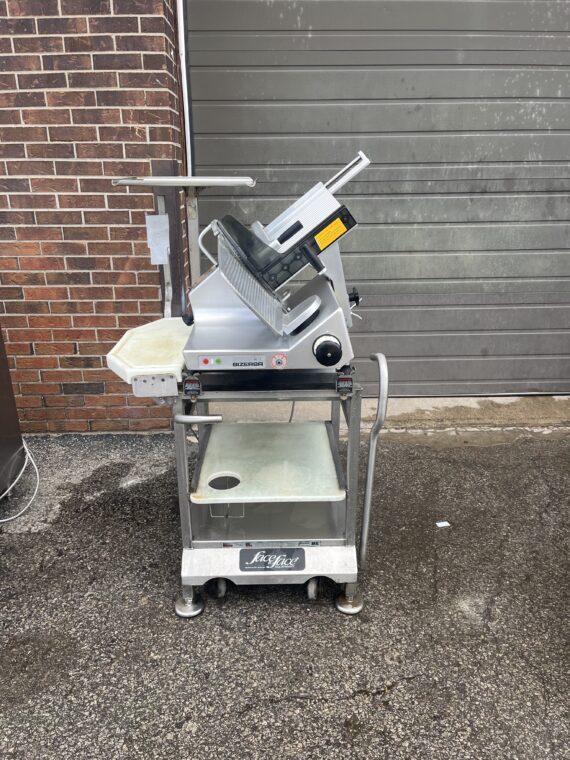
Portion control and wrapping equipment includes deli slicers with integrated bagging attachments, flow-wrap machines for continuous film application, and manual or semi-automatic wrapping stations. These serve bakeries requiring consistent portioning and grocery delis managing high-volume sandwich or meat output. Flow-wrap machines, which apply film continuously around moving products, typically rent between 10-20 cycles per minute on used units and occupy compact footprints ideal for Newmarket shops with space constraints.
Labeling and coding systems apply expiration dates, product information, and branding to finished packaging. Used thermal transfer or inkjet systems integrate with existing conveyors or function as standalone stations. Industrial labelers process 20-60 units per minute depending on print complexity and substrate type.
Sealing stations for containers-whether rigid plastic, foam, or modified-atmosphere packaging-represent another category. Used units preserve product freshness through controlled atmospheric sealing before shipping. Because bakeries and prepared-food producers in Newmarket rely on these to maintain margin-supporting shelf life, demand for reliable used units remains steady.
Used Packaging Equipment Newmarket: Key Comparison Factors
When evaluating used equipment options, several measurable criteria separate cost-effective purchases from problematic acquisitions. MB Food Equipment applies technical assessment to every unit before offering it for sale, and understanding these factors helps you evaluate proposals independently.
| Factor | Why It Matters | Typical Used Range |
|---|---|---|
| Motor power and seal temperature control | Determines throughput and consistency; undersized motors cause seal failures on high-volume runs | 1-3 HP; 150-400 degrees Fahrenheit adjustable |
| Film width compatibility | Limits packaging formats you can run; mismatched widths require film splicing or accessory purchases | 2-inch minimum; 12-inch maximum common on mid-range used units |
| Cycle time (seconds per seal) | Directly affects production volume; slower equipment creates bottlenecks during peak periods | 2-8 seconds per cycle; faster for high-volume bakeries |
| Footprint and counter space | Newmarket food businesses often operate in compact kitchens; oversized equipment disrupts workflow | Compact: 24x18 inches; standard: 36x24 inches |
| Control interface and diagnostics | Older mechanical controls are simpler but less precise; newer digital displays reduce operator error | Mechanical dials to touchscreen; depends on manufacturing era |
Equipment age matters, but not as a absolute disqualifier. Used machinery manufactured within the past 10-15 years typically offers better seal consistency, lower maintenance frequency, and digital controls compared to older units. However, a well-maintained 20-year-old machine from a premium manufacturer often outperforms a neglected five-year-old model from a budget producer.
Maintenance history and previous duty cycle strongly influence reliability. Equipment used in continuous industrial production-such as large bakery chains-often shows greater wear than equipment from smaller operations, even if both are the same age. Conversely, some commercial environments maintain equipment more rigorously than others. MB Food Equipment evaluates internal wear on sealing elements, motor load characteristics, and control calibration to determine whether used equipment merits resale.
When Used Packaging Equipment Makes Financial Sense
The cost-benefit calculation for purchasing used equipment depends on your production timeline, volume projections, and available capital. For Newmarket bakeries and food producers, three scenarios typically justify the used market route over purchasing new.
First, startups with limited capital can deploy resources toward inventory, marketing, and staffing rather than equipment. A new vacuum sealer runs 2000-4000 dollars; equivalent used equipment often sells for 800-1500 dollars. That 1200-2500 dollar difference funds critical opening expenses. Because most food startups operate on 90-day cash flow cycles, equipment cost deferral directly improves survival probability during the launch phase.
Second, established businesses testing new product lines or market segments benefit from used equipment's lower risk profile. If a gelato shop in Newmarket wants to trial prepackaged pints for grocery placement, purchasing used sealing and labeling equipment lets you validate demand without committing full capital. If the product line succeeds, upgrading to new equipment is a problem of expansion rather than survival. If it underperforms, you minimize sunk costs.
Third, replacing failed equipment on urgent timelines. When a seal machine breaks during production season, purchasing new equipment requires 4-8 weeks for delivery. Used equipment available in MB Food Equipment's showroom or through rapid delivery in the Greater Toronto Area can restore production within days, protecting weekly revenue.
The financial advantage persists because used commercial packaging equipment depreciates slowly after initial purchase. Industrial machines designed for decades of use retain 35-55 percent of retail value even after heavy service. Food businesses in Newmarket benefit further when they eventually upgrade: selling used equipment to MB Food Equipment at fair market value recovers additional capital and simplifies logistics compared to private sales.
If your operation runs predictable volumes year-round and your budget accommodates new equipment without operational strain, new machinery offers advantages in warranty coverage and optimized energy efficiency. But for cost-conscious operators-which describes most food businesses in competitive markets like Newmarket-used packaging equipment delivers equivalent functionality at materially lower total cost.
MB Food Equipment maintains active inventory of used packaging and food service equipment across the Greater Toronto Area. Whether you need vacuum sealers, flow-wrap machines, labeling systems, or integrated packaging lines, the team can discuss your production requirements, space constraints, and budget to identify equipment that solves your specific problem. Contact them to explore options or to discuss selling used equipment your business has outgrown.
Frequently Asked Questions
What types of used packaging equipment does MB Food Equipment supply to Newmarket businesses?
MB Food Equipment stocks vacuum sealers, heat-sealing machines, flow-wrap equipment, portion-control and wrapping systems, and labeling or coding machines. Inventory varies based on market availability, but the team can source specific equipment types or connect you with reliable options for bakeries, delis, ice cream shops, and prepared-food producers.
How much less expensive is used packaging equipment compared to new?
Used commercial packaging equipment typically sells for 40-60 percent below new retail pricing. For example, a new industrial vacuum sealer may cost 3000-4000 dollars, while equivalent used equipment ranges from 1000-1500 dollars depending on age, condition, and brand. This cost difference compounds across multiple machines, making it significant for startups or equipment-intensive operations.
Is there reliable used packaging equipment available near Newmarket, or do I need to search Toronto?
MB Food Equipment is based in Oakville and serves the Greater Toronto Area including Newmarket. They maintain showroom inventory and can arrange fast delivery for available units. For equipment not currently in stock, the team sources items from their established supplier network across the region.