


loc
Visit us in our warehouse in Oakville, ON, or call us today to find out how MB Food Equipment can help serve your needs.
Feel free to browse our used food equipment inventory.
Our Products
In our showroom you will find only quality products from famous brands.
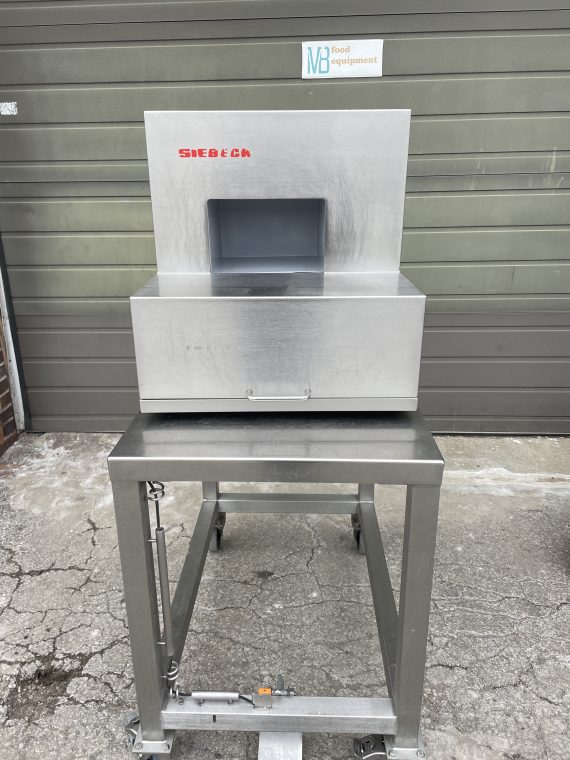
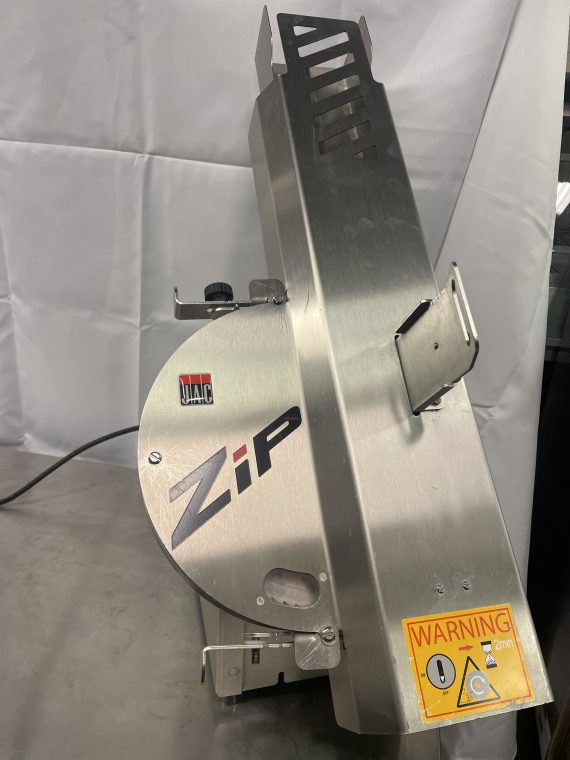
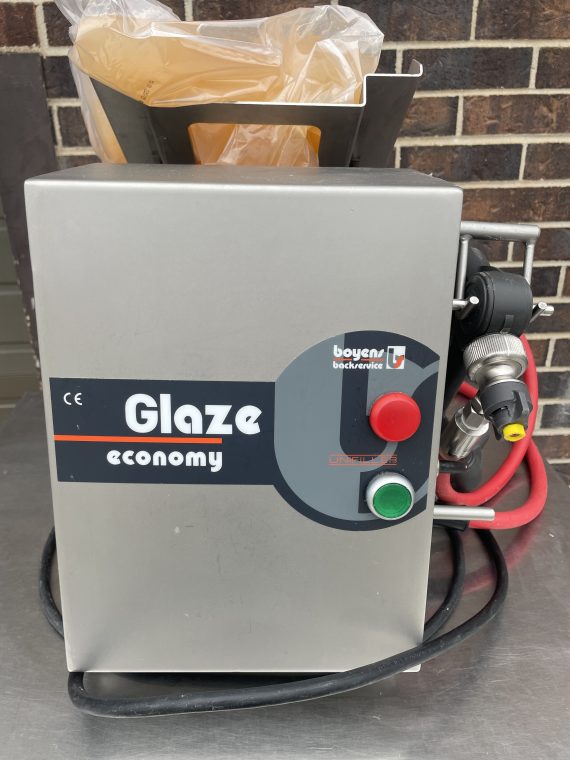
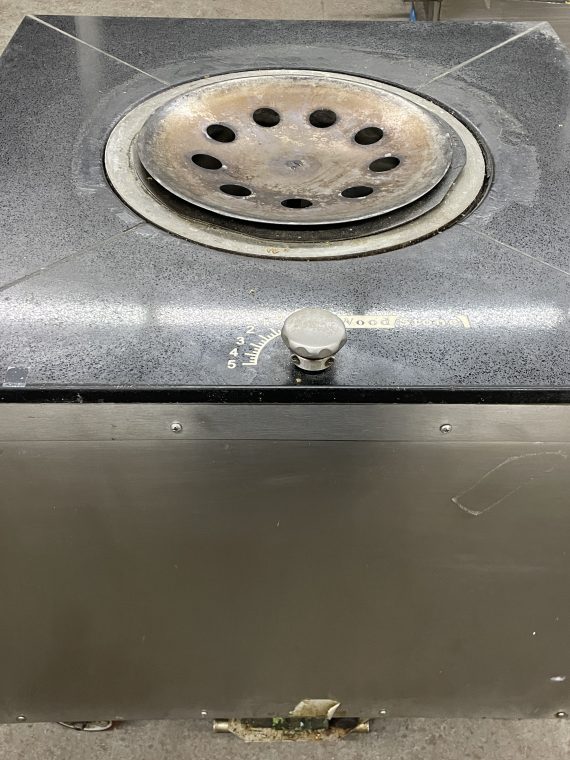
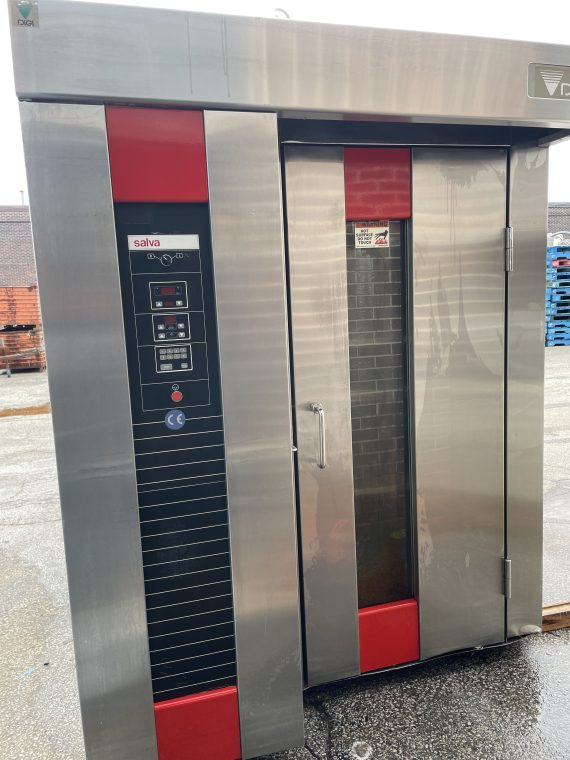
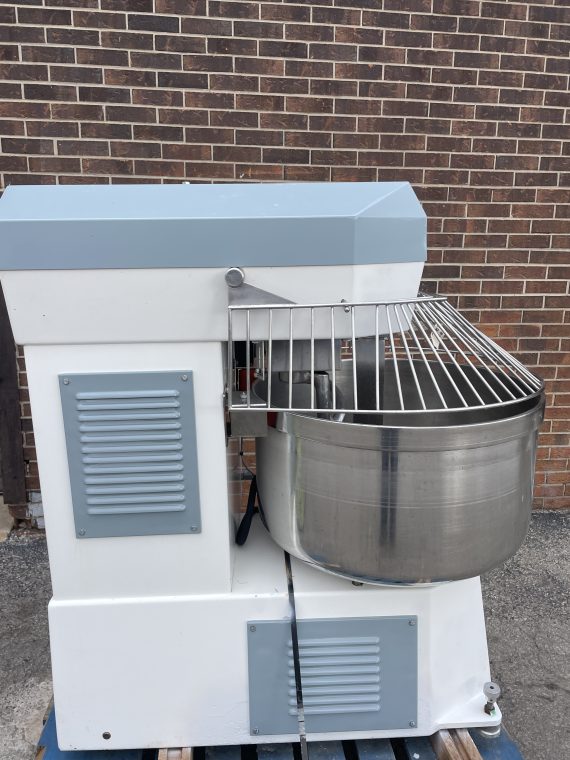
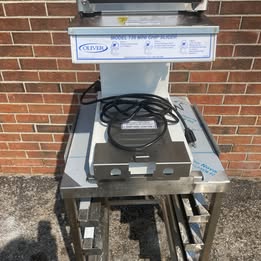
Newest Added Items
Check some of the newest products in our inventory
Contact Us
If you have any questions about our inventory or product details please give us a call or fill out the contact form and one of our sale managers will contact you.
Phone: (289) 993-5999
Phone: (289) 938-9348
Monday: 9 am – 5 pm
Tuesday: 9 am – 5 pm
Wednesday: 9 am – 5 pm
Thursday: 9 am – 5 pm
Friday: 9 am – 5 pm
Saturday: 9 am – 5 pm
Sunday: closed, by appointment only
After hours – by appointment
Contact form
Used Packaging Equipment Oakville
Used packaging equipment in Oakville represents a practical choice for food businesses weighing capital investment against operational need, and the decision between buying new or refurbished equipment shapes your bottom line from day one.
If you run a bakery in Oakville, manage a grocery operation in the Greater Toronto Area, or are starting a food business from scratch, you have likely faced the moment when equipment pricing stops the conversation. A vacuum sealer that costs $8,000 new. A commercial labeller at $6,500. A shrink-wrap system pushing $12,000. These are real numbers that real business owners in Oakville encounter, and they change how you plan.
MB Food Equipment has spent decades in this market, sourcing and supplying refurbished equipment to restaurants, cafes, ice cream shops, bakeries, and grocery stores across the Greater Toronto Area. The business buys equipment from established operations, inspects and services it, then resells it at a fraction of the original cost. This is not buying blind online. This is buying from people who know food equipment, who stand behind what they sell, and who understand the specific needs of Oakville business owners.
The question most entrepreneurs and established operators ask is simple: when does buying refurbished make sense, and when should you pay for new?
New Packaging Equipment vs. Refurbished: The Real Cost Breakdown
New equipment carries a premium of 40 to 60 percent over refurbished alternatives, depending on the machine type and manufacturer. A new commercial vacuum sealer might run $8,000; a refurbished unit from a reliable source in Oakville comes in at $3,200 to $4,500. That difference compounds across multiple pieces of equipment. A small bakery upgrading its entire packaging line could save $15,000 to $25,000 by choosing refurbished models instead of new.
Cost, however, is only the opening move. The real comparison sits between initial expense and total cost of ownership, including maintenance, downtime, and useful operating life.
| Factor | New Equipment | Quality Refurbished Equipment |
|---|---|---|
| Initial Purchase Price | $6,000 - $15,000 | $2,500 - $6,500 |
| Warranty Coverage | 1 - 3 years (manufacturer) | 30 - 90 days (seller dependent) |
| Expected Operating Life | 10 - 15 years | 5 - 10 years |
| Maintenance Cost (Annual) | $300 - $600 | $400 - $800 |
| Downtime Risk | Low (new components) | Moderate (depends on refurbishment quality) |
The numbers tell a story. Refurbished equipment from a trusted source lets you deploy capital where it matters most: inventory, staffing, marketing. For a startup bakery in Oakville with limited working capital, that $8,000 saved on a vacuum sealer can fund two months of rent or ingredient stock.
When to Buy Refurbished Packaging Equipment in Oakville
Refurbished equipment makes strongest sense in three situations: business launch, seasonal expansion, and equipment replacement during renovation.
A new ice cream shop opening in Oakville cannot justify $50,000 in packaging equipment before testing the market. Refurbished freezers, scoops, and portion control machines let operators launch at half the capital cost, prove the business model, then upgrade to premium new equipment once cash flow stabilizes. This is how most successful startups in the region begin.
Established businesses facing a specific problem benefit equally. Your gelato counter needs a second labeller to handle spring and summer volume, but full production demand drops in winter. A refurbished unit from MB Food Equipment serves the seasonal spike without locking you into permanent overhead. When autumn arrives and volume drops, you have not wasted $6,000 on equipment sitting idle.
A grocery store manager planning a packaging or deli department renovation also finds refurbished the practical choice. The department may not need to run at full new equipment capacity. Refurbished commercial refrigeration and packaging machines let you outfit the space efficiently, test customer demand, and scale up later if warranted.
Butcher shops and specialty food retailers in the Greater Toronto Area commonly buy refurbished because their equipment runs heavy use for short hours. A refurbished vacuum sealer handles morning prep in a three-person butchery perfectly. New equipment in that scenario is overcapitalized for the actual workload.
When New Equipment Justifies the Cost
New equipment makes sense when production volume is already proven, when warranty coverage matters more than cash preservation, or when you need a machine that performs a specialized function not yet common in the used market.
A cafe in Oakville running three shifts, six days a week, moving hundreds of packaged items daily, benefits from new equipment reliability. The warranty covers unexpected failure during peak season. The lower maintenance profile means fewer service calls disrupt operations. For a business where every hour of downtime costs money, new equipment's reliability premium justifies itself quickly.
High-volume restaurants and large grocery operations across the Greater Toronto Area also lean toward new because they have negotiated pricing with manufacturers or distributors, because they can absorb upfront cost against proven revenue, and because they maintain dedicated maintenance staff who maximize equipment life.
Some specialized equipment-a newer generation labeller with digital interfaces, a high-speed shrink-wrap system with integrated conveyor controls-may not exist in sufficient supply on the used market. In that case, new is the only option, though MB Food Equipment stays current with market inventory and can advise on what is available.
How to Choose: The Right Equipment for Your Oakville Business
The decision rests on five practical questions:
- Is your production volume proven or estimated? (Proven = new justified; estimated = refurbished sensible)
- How much capital can you deploy without stress? (Tight cash = refurbished; strong reserves = either)
- How much downtime can your business tolerate? (Zero acceptable = new; some tolerance = refurbished works)
- What is your planning horizon? (Growing fast = refurbished now, upgrade later; stable = match equipment to long-term need)
- Do you need warranty certainty or cost certainty more? (Certainty on costs = refurbished; certainty on coverage = new)
Most businesses in Oakville find the right answer is mixed. They buy refurbished for baseline capacity and known workhorses-freezers, basic packaging machines, standard refrigeration-then invest in new for specialized or high-demand equipment where failure creates immediate problems. This hybrid approach balances capital discipline with operational confidence.
MB Food Equipment serves this decision-making process directly. The business sources refurbished equipment from restaurants, bakeries, grocery operations, and specialty food retailers across the Greater Toronto Area, inspects every unit, and sells it at competitive prices to entrepreneurs and established operators. If you are comparing options for packaging equipment in Oakville, reach out to discuss what equipment you need, what your production looks like, and what your budget allows. MB Food Equipment can show you what is available now, explain the condition and history of specific units, and help you make the choice that fits your actual business, not an imaginary one.
Frequently Asked Questions
How much money can I save by buying used packaging equipment instead of new in Oakville?
Used packaging equipment typically costs 40 to 60 percent less than new equivalents. A vacuum sealer that costs $8,000 new may be available refurbished for $3,200 to $4,500. For a small bakery or deli upgrading multiple pieces, total savings often reach $15,000 to $25,000, money that can be redirected to inventory, staffing, or marketing.
Is refurbished packaging equipment reliable for a busy restaurant or food business in the Greater Toronto Area?
Refurbished equipment from a reputable source is reliable for most food businesses, especially those with predictable, moderate-to-heavy production schedules. The key is buying from a supplier who inspects and services equipment before sale. High-volume operations with zero downtime tolerance may prefer new, but established bakeries, delis, and cafes routinely run refurbished equipment without issue.
Should a startup food business buy new or used packaging equipment?
Most startup food businesses should buy refurbished. A new venture has not yet proven its volume or market fit, so locking $40,000 to $60,000 into new equipment depletes working capital needed for inventory and operating costs. Refurbished equipment lets you launch efficiently, test your business model, then upgrade to new equipment once cash flow is stable and volume is proven.